+8613776545860


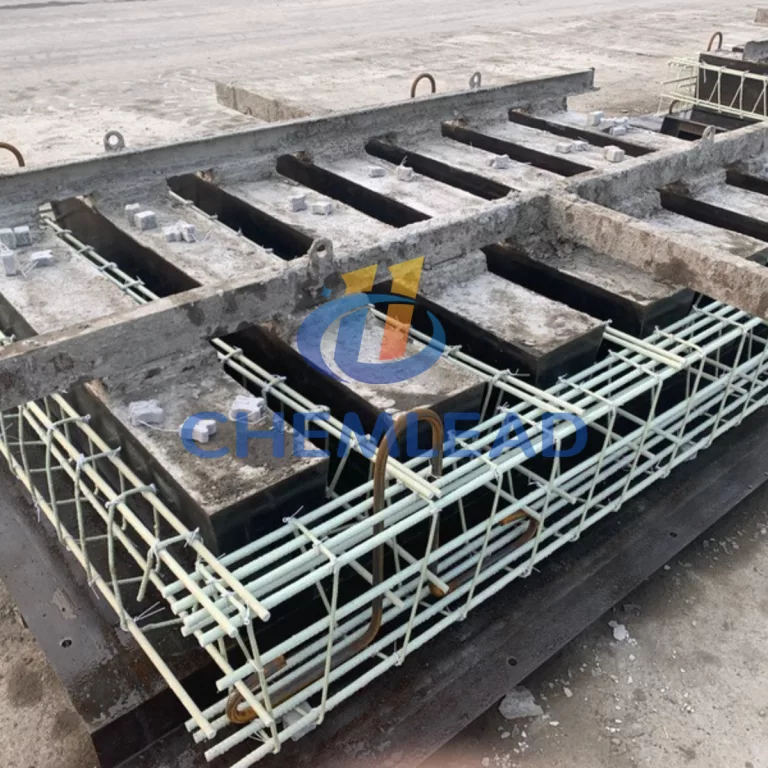
Chemlead FRP Rebars Support Coastal Embankment Rehabilitation at Zhendong Sluice in China
As coastal infrastructure faces increasing challenges from seawater corrosion, wave impact, and long-term environmental erosion, engineers and contractors are seeking more durable reinforcement materials for marine construction projects. Recently, Nanjing Chemlead New Material successfully supplied high-performance FRP rebars for the rehabilitation project of the Zhendong Sluice coastal embankment in Binhai County, China.
This project highlights the growing application of Fiber Reinforced Polymer (FRP) reinforcement in coastal protection engineering, where corrosion resistance and long service life are essential.
Project Background: Zhendong Sluice Coastal Protection Rehabilitation
The Zhendong Sluice embankment serves as a critical coastal defense and water control system in Binhai County. Over years of exposure to tides, saltwater intrusion, shoreline erosion, and continuous wave impact, sections of the embankment experienced structural degradation.
To improve long-term stability and durability, a comprehensive reinforcement and rehabilitation program was launched in 2026. The project focused on strengthening both slope protection structures and revetment systems surrounding the sluice infrastructure.
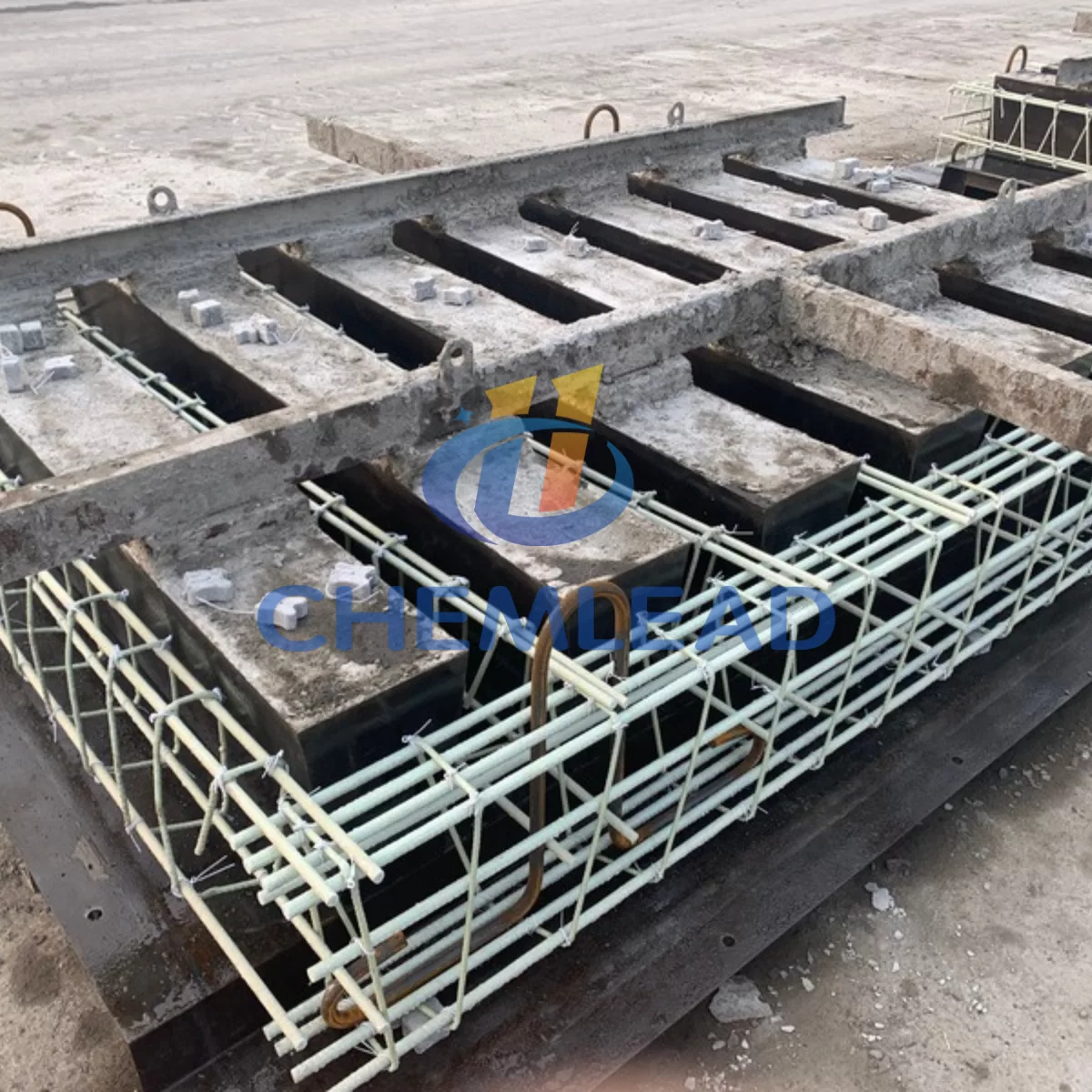
FRP Rebar Application in Precast Concrete Panels
Chemlead supplied both:
- 8mm spiral FRP rebars
- 16mm straight FRP rebars
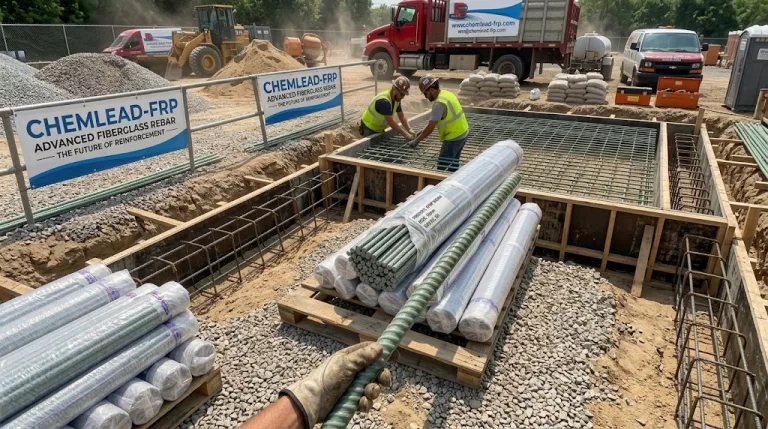
These materials were incorporated into precast concrete fence panels used for coastal slope protection and revetment reinforcement.
Project Scope
- Approximately 420 meters of slope protection reinforcement
- Approximately 670 meters of revetment strengthening
- Total FRP rebar consumption: around 25 tons
The use of FRP reinforcement provided an advanced alternative to traditional steel rebars in this harsh marine environment.
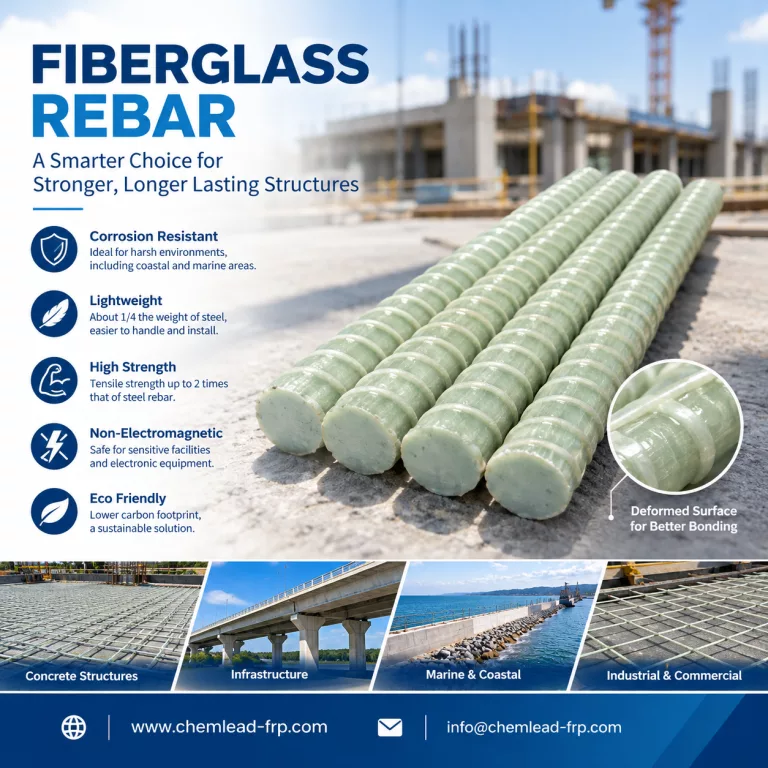
Why FRP Rebars Are Ideal for Coastal Embankment Projects
Coastal and marine infrastructure projects demand reinforcement materials capable of withstanding aggressive environmental conditions. Traditional steel rebars are vulnerable to corrosion caused by chlorides, moisture, and saltwater exposure, which can significantly reduce structural lifespan and increase maintenance costs.
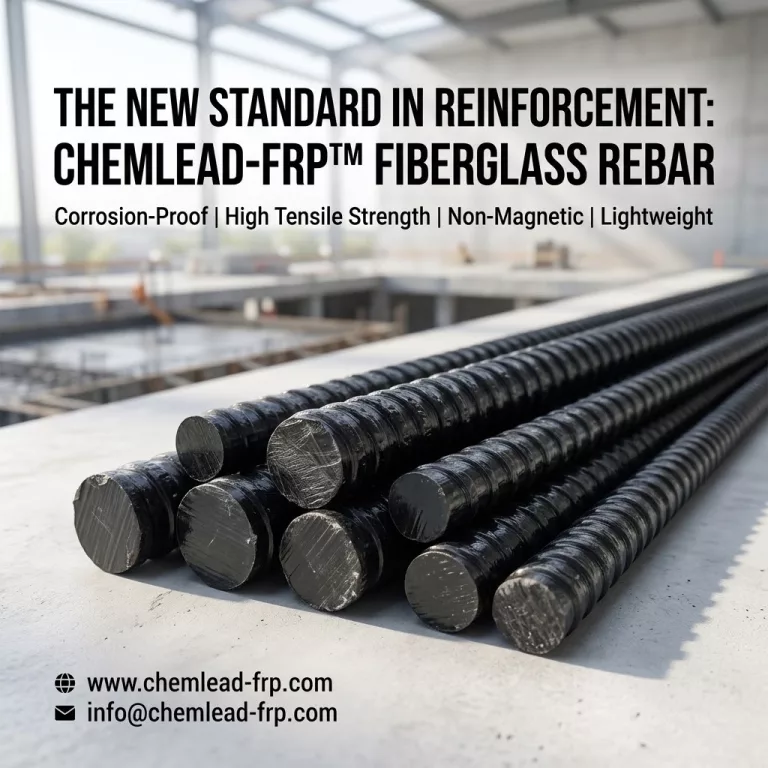
FRP rebars offer several advantages:
Excellent Corrosion Resistance
Unlike steel, FRP rebars do not rust or corrode when exposed to seawater or chloride-rich environments. This makes them highly suitable for:
- Coastal embankments
- Seawalls
- Marine structures
- Bridge infrastructure
- Water conservancy projects
Extended Service Life
By eliminating corrosion-related deterioration, FRP reinforcement helps extend the service life of concrete structures while reducing long-term maintenance requirements.
Lightweight and Easy Installation
FRP rebars are significantly lighter than steel, improving transportation efficiency and reducing labor intensity during construction.
High Tensile Strength
FRP reinforcement materials provide excellent tensile performance, helping maintain structural integrity under demanding environmental conditions.
Sustainable Infrastructure Development
As governments and contractors increasingly focus on sustainable and low-maintenance infrastructure solutions, FRP composite materials are becoming more widely adopted in civil engineering and coastal protection projects worldwide.
The successful application at the Zhendong Sluice rehabilitation project demonstrates the practical value of FRP rebars in enhancing durability, construction efficiency, and lifecycle performance in coastal environments.
Chemlead FRP Rebar Solutions
Nanjing Chemlead New Material specializes in the research, production, and supply of high-performance FRP reinforcement materials for global infrastructure projects.
Main products include:
- FRP rebars
- GFRP reinforcement bars
- FRP profiles
- Composite structural materials
Chemlead products are widely used in:
- Coastal engineering
- Bridges and highways
- Tunnels
- Seawater facilities
- Photovoltaic support systems
- Industrial infrastructure