+8613776545860


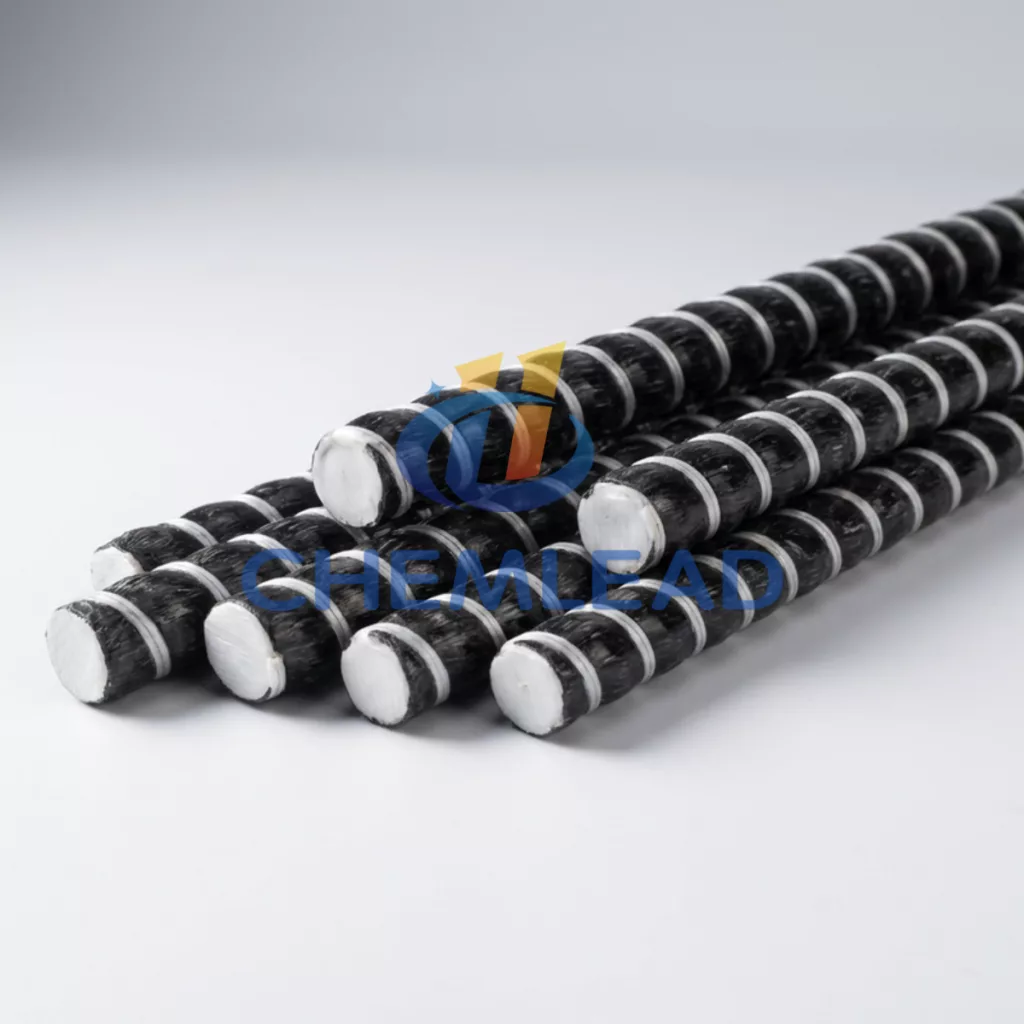
Steel rebar continues to dominate construction, but in aggressive environments—coastal zones, chemical plants, and infrastructure exposed to chlorides—corrosion is inevitable. This leads to structural damage, expensive maintenance, and shortened service life.That’s where Basalt Rebar (BFRP) and Fiberglass Rebar (GFRP) stand out. These advanced composite materials are engineered to deliver long-term durability, zero corrosion, and superior lifecycle value.
What is Fiberglass Rebar (GFRP)?
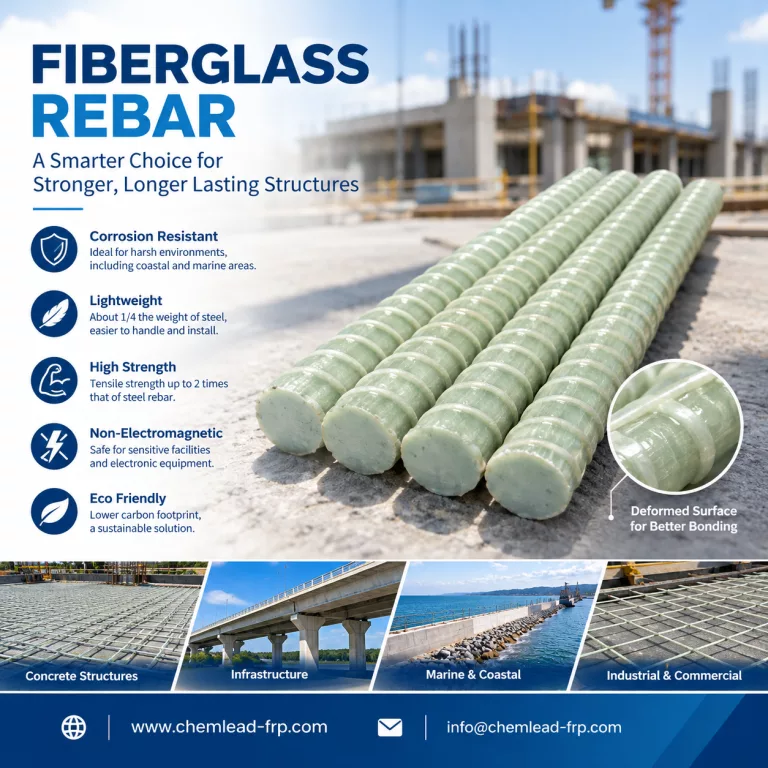
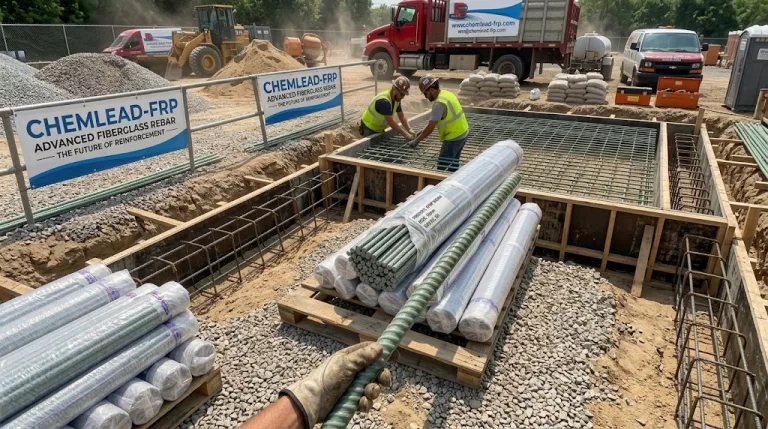
Fiberglass rebar is made from high-strength glass fibers bonded with resin. It is widely used as a cost-effective alternative to steel in corrosion-prone environments.
Key Advantages of Fiberglass Rebar
- 💪 High Tensile Strength – Stronger than steel in tension
- 🪶 Lightweight – About 75% lighter than steel, reducing transport and labor costs
- 🌊 100% Corrosion-Resistant – Ideal for marine and coastal structures
- ⚡ Non-Conductive – Perfect for power plants, MRI rooms, and rail systems
- 💰 Cost-Effective – Lower upfront cost compared to basalt rebar
Best Use Cases
- Bridges and highways
- Seawalls and coastal infrastructure
- Precast concrete products
- Parking structures
- Underground and tunnel projects
What is Basalt Rebar (BFRP)?
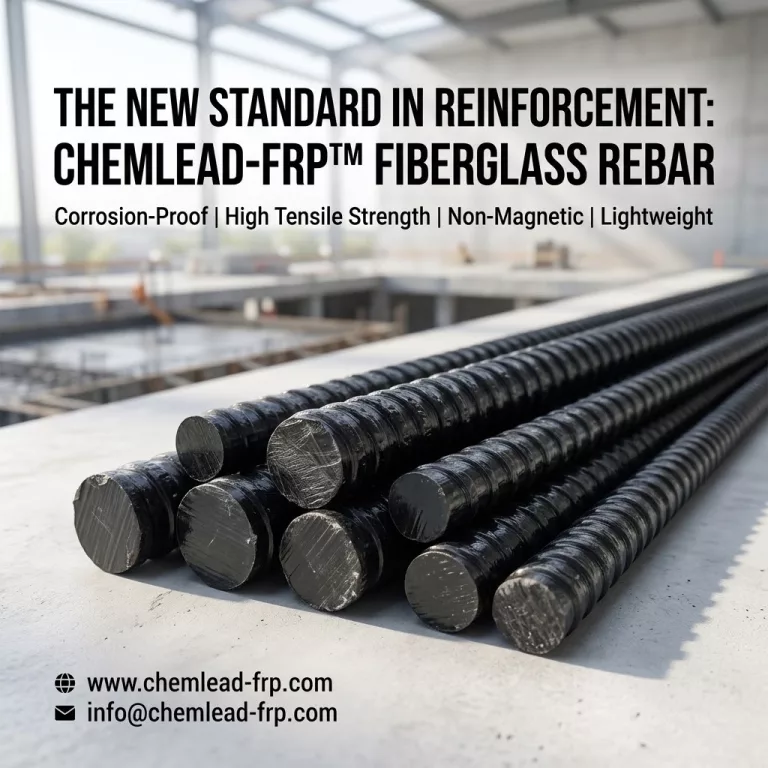
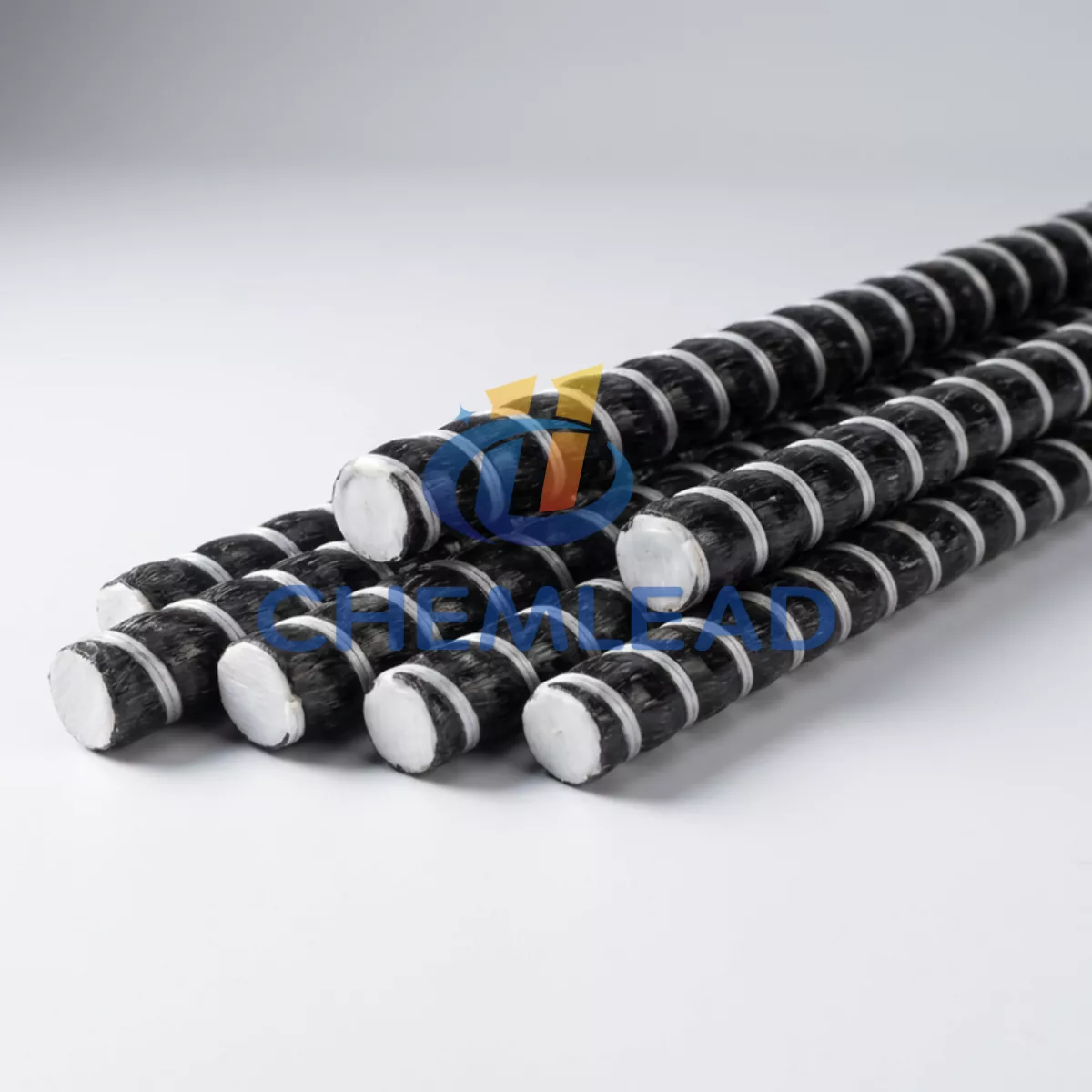
Basalt rebar is produced from natural volcanic basalt rock fibers, making it one of the most durable and environmentally friendly reinforcement materials available today.
Key Advantages of Basalt Rebar
- 🔥 Superior Heat Resistance
Performs better than fiberglass in high-temperature environments. - 🧪 Outstanding Chemical Resistance
Resistant to acids, alkalis, and industrial chemicals. - 🌱 Eco-Friendly & Sustainable
Made from natural basalt rock with minimal environmental impact. - 💪 Excellent Mechanical Strength
Comparable or superior tensile strength to fiberglass and steel. - ⏳ Ultra-Long Service Life
Designed for 100+ years in harsh environments.
Best Use Cases
- Chemical plants and wastewater facilities
- Marine and offshore structures
- High-temperature industrial zones
- Infrastructure in extreme climates
- Sustainable and green building projects
Basalt vs Fiberglass Rebar: Key Differences
Feature | Fiberglass Rebar (GFRP) | Basalt Rebar (BFRP) |
|---|---|---|
Corrosion Resistance | Excellent | Excellent |
Strength | High | High (slightly higher stability) |
Weight | Very Light | Very Light |
Heat Resistance | Moderate | Superior |
Chemical Resistance | Good | Excellent |
Cost | Lower | Higher |
Sustainability | Good | Excellent |
How to Choose the Right FRP Rebar?
- Choose Fiberglass Rebar (GFRP) if:
✔ You need a cost-effective solution for large-scale infrastructure
✔ Your project is in marine or moderately aggressive environments
✔ Lightweight and ease of installation are priorities - Choose Basalt Rebar (BFRP) if:
✔ Your project involves high temperatures or chemical exposure
✔ You want a more sustainable, eco-friendly material
✔ Long-term durability in extreme environments is critical
Why Basalt & Fiberglass Rebar Are the Future
Both materials belong to the FRP (Fiber Reinforced Polymer) family, which is rapidly gaining global adoption due to:
- 🚫 Zero corrosion = longer structural lifespan
- 🔧 Minimal maintenance costs
- 🚚 Lower transportation and installation costs
- 🌍 Support for sustainable construction