+8613776545860


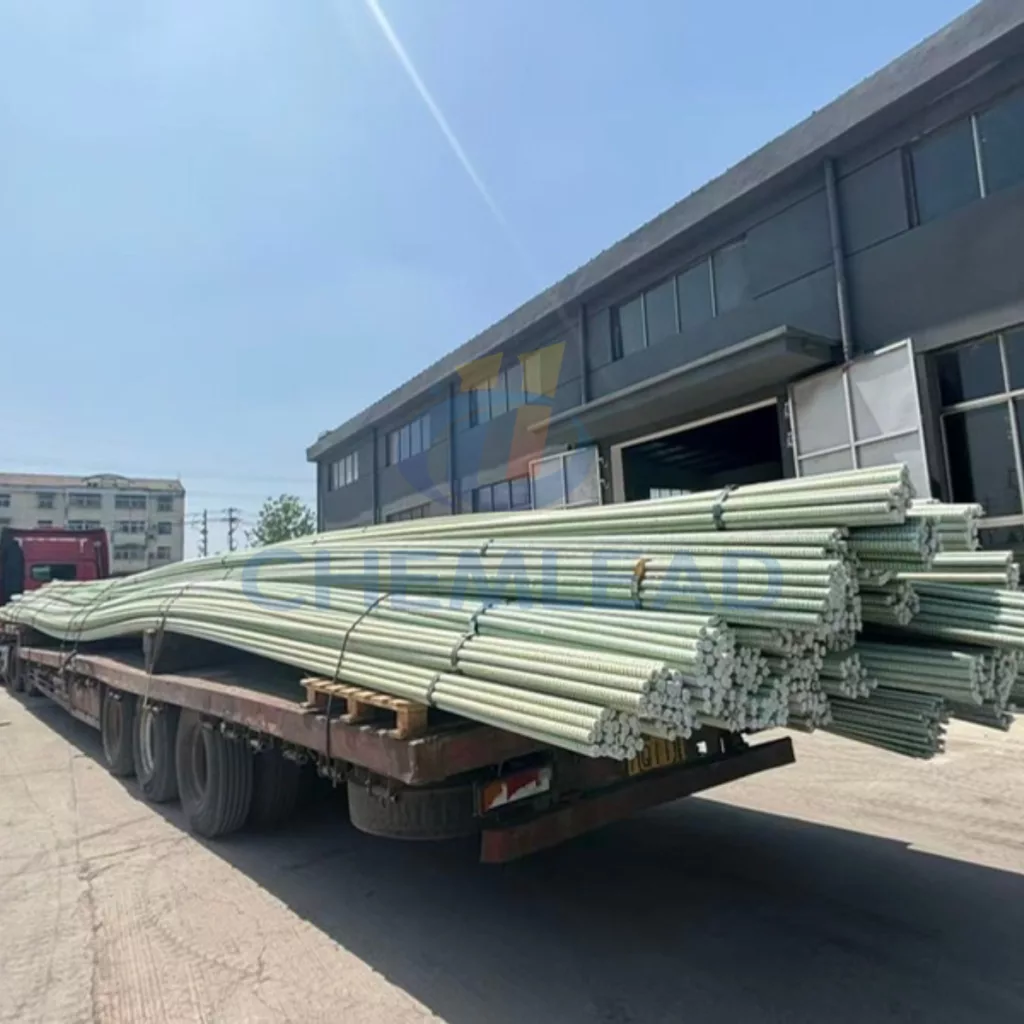
The construction industry is evolving rapidly, and builders are constantly searching for materials that offer better durability, lower maintenance, and longer service life. One material gaining significant attention is Fiberglass Rebar, also known as GFRP Rebar (Glass Fiber Reinforced Polymer Rebar).
From coastal bridges to chemical plants, more infrastructure projects are replacing traditional steel reinforcement with fiberglass rebar — and for good reason.
What Is Fiberglass Rebar?
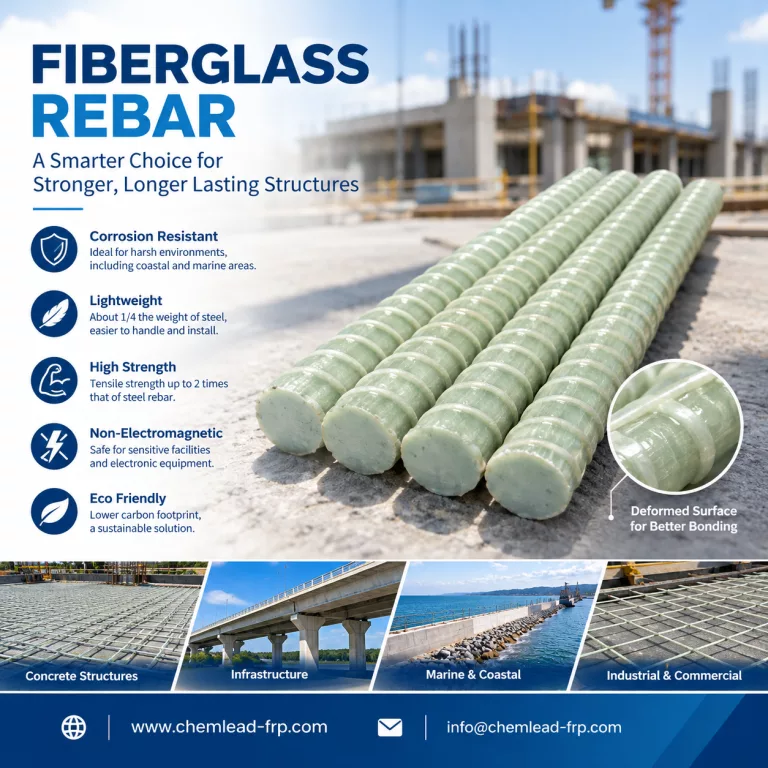
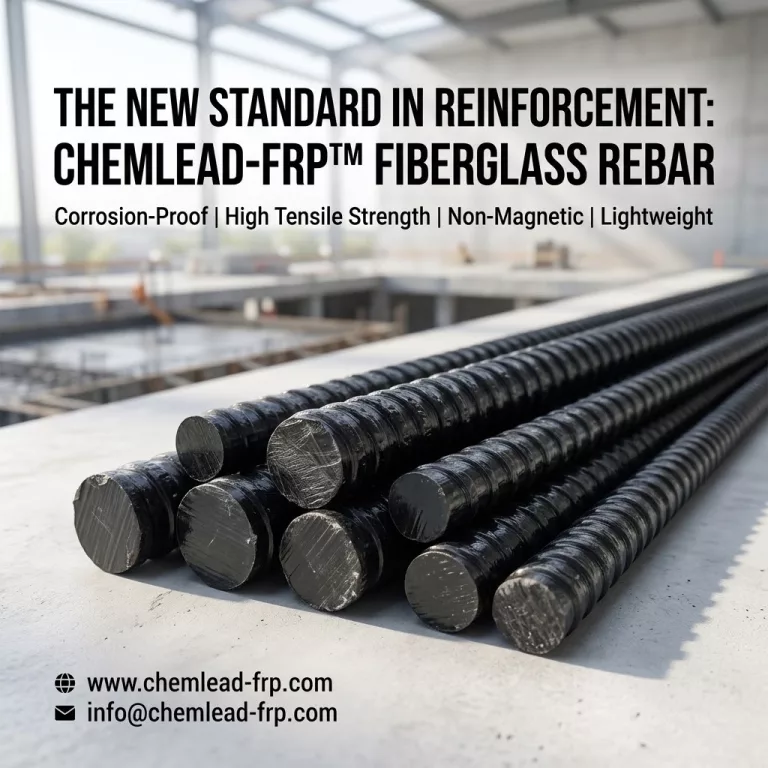
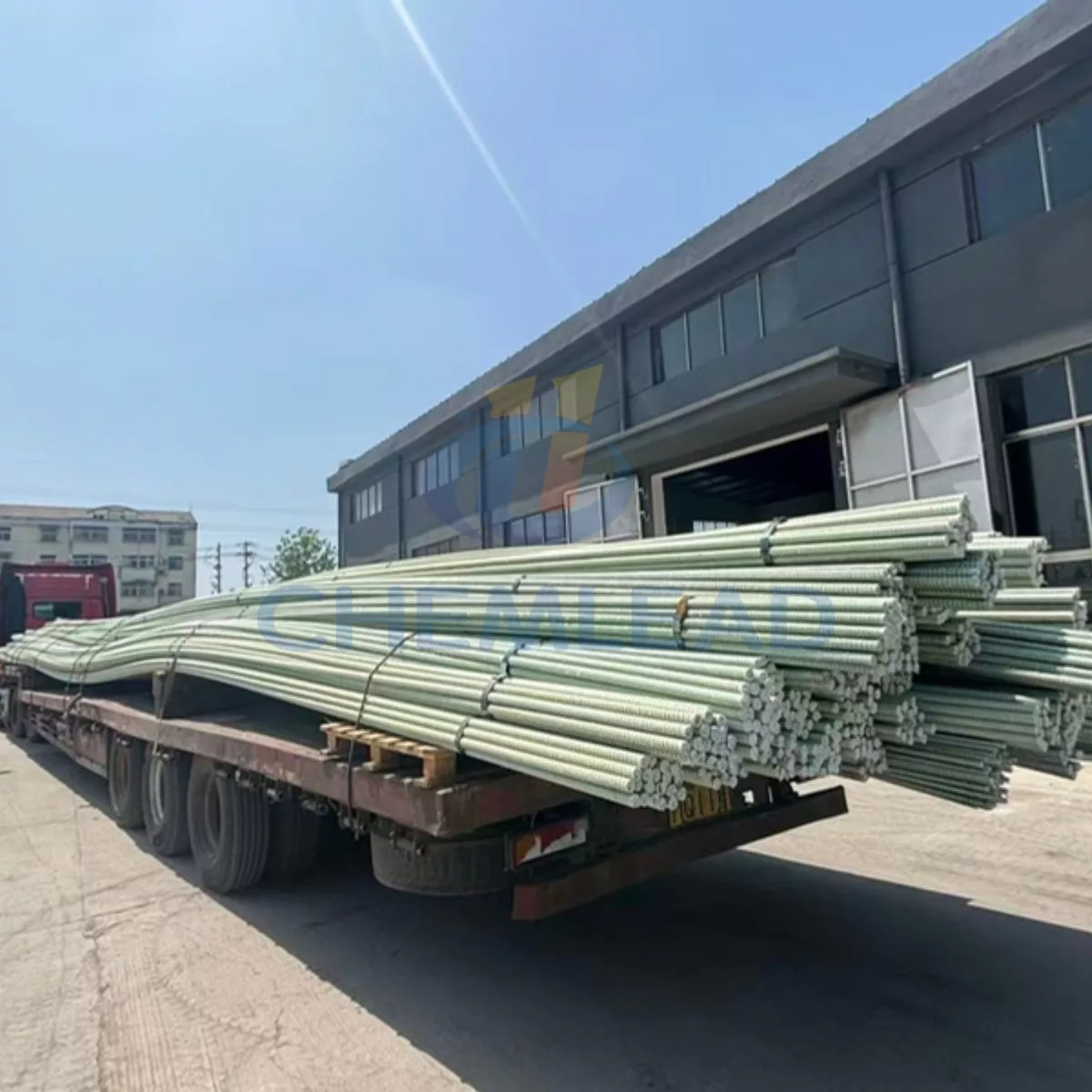
Fiberglass rebar is a non-metallic reinforcing material made from high-strength glass fibers embedded in a polymer resin matrix. Unlike conventional steel rebar, GFRP rebar does not rust or corrode, making it ideal for structures exposed to moisture, salt, and chemicals.
Its combination of lightweight design, high tensile strength, and corrosion resistance makes it a modern solution for demanding construction environments.
Why Construction Projects Are Choosing Fiberglass Rebar 1. Superior Corrosion Resistance
One of the biggest problems with traditional steel rebar is corrosion. Over time, exposure to water, chlorides, and chemicals causes steel to rust, leading to cracks, structural damage, and expensive repairs.
Fiberglass rebar eliminates this issue because it is completely resistant to corrosion.
This makes it especially valuable for:
- Coastal infrastructure
- Marine structures
- Wastewater treatment plants
- Chemical facilities
- Bridges exposed to road salts
By preventing corrosion, fiberglass rebar significantly extends the lifespan of concrete structures.
2. Lightweight and Easy to Handle
Fiberglass rebar is up to 75% lighter than steel rebar, making transportation and installation much easier.
Benefits include:
- Reduced labor costs
- Faster installation
- Lower transportation expenses
- Easier on-site handling
- Improved worker safety
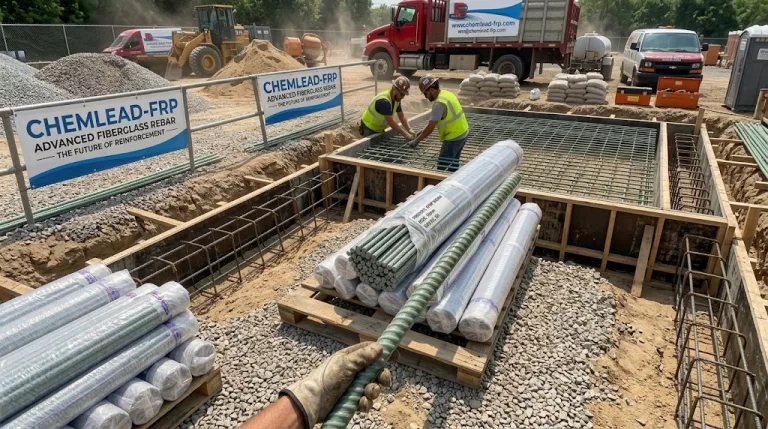
Contractors can move and place GFRP rebar more efficiently without heavy lifting equipment.
3. High Tensile Strength
Although lightweight, fiberglass rebar delivers impressive tensile strength. In many applications, it can outperform traditional steel reinforcement.
Its high strength-to-weight ratio helps improve structural performance while reducing material weight in concrete systems.
This is particularly beneficial for:
- Highway projects
- Bridge decks
- Parking structures
- Precast concrete products
4. Longer Service Life
Durability is a major concern for infrastructure owners and engineers. Fiberglass rebar offers a much longer service life because it does not deteriorate from corrosion.
This means:
- Lower maintenance costs
- Fewer repairs
- Reduced downtime
- Better lifecycle value
For governments and private developers, investing in long-lasting infrastructure can save millions over time.
Common Applications of Fiberglass Rebar Coastal Infrastructure
Saltwater environments are extremely harsh on steel reinforcement. Fiberglass rebar provides excellent protection against chloride corrosion, making it ideal for:
- Seawalls
- Piers
- Ports
- Coastal highways
Bridges & Highways
Bridge decks and roadways are constantly exposed to de-icing salts and moisture. GFRP rebar helps extend the life of transportation infrastructure while reducing maintenance requirements.
Marine Structures
Marine construction requires materials that can survive constant exposure to water and salt. Fiberglass rebar is widely used in:
- Docks
- Marinas
- Retaining walls
- Waterfront developments
Tunnels & Subways
Fiberglass rebar is non-conductive and non-magnetic, making it suitable for tunnels, rail systems, and subway projects where electromagnetic interference must be minimized.
Chemical Plants
Chemical exposure can rapidly degrade steel reinforcement. Fiberglass rebar resists many aggressive chemicals, acids, and alkalis commonly found in industrial environments.
Concrete Foundations
Modern building foundations increasingly use GFRP rebar to improve durability and reduce long-term structural risks caused by moisture penetration.
Additional Advantages of GFRP Rebar
Beyond corrosion resistance and lightweight handling, fiberglass rebar also offers:
- Non-conductive properties
- Non-magnetic performance
- Thermal insulation benefits
- Reduced concrete cracking
- Low maintenance requirements
These advantages make it a smart choice for specialized construction applications.
Is Fiberglass Rebar the Future of Construction?
As infrastructure demands continue to grow, engineers and contractors are prioritizing materials that offer longer service life and lower lifecycle costs.
Fiberglass rebar is becoming a preferred reinforcement solution because it addresses many of the weaknesses associated with traditional steel rebar.
With increasing adoption in bridges, marine construction, highways, and industrial facilities, GFRP rebar is shaping the future of durable and sustainable construction.