+8613776545860


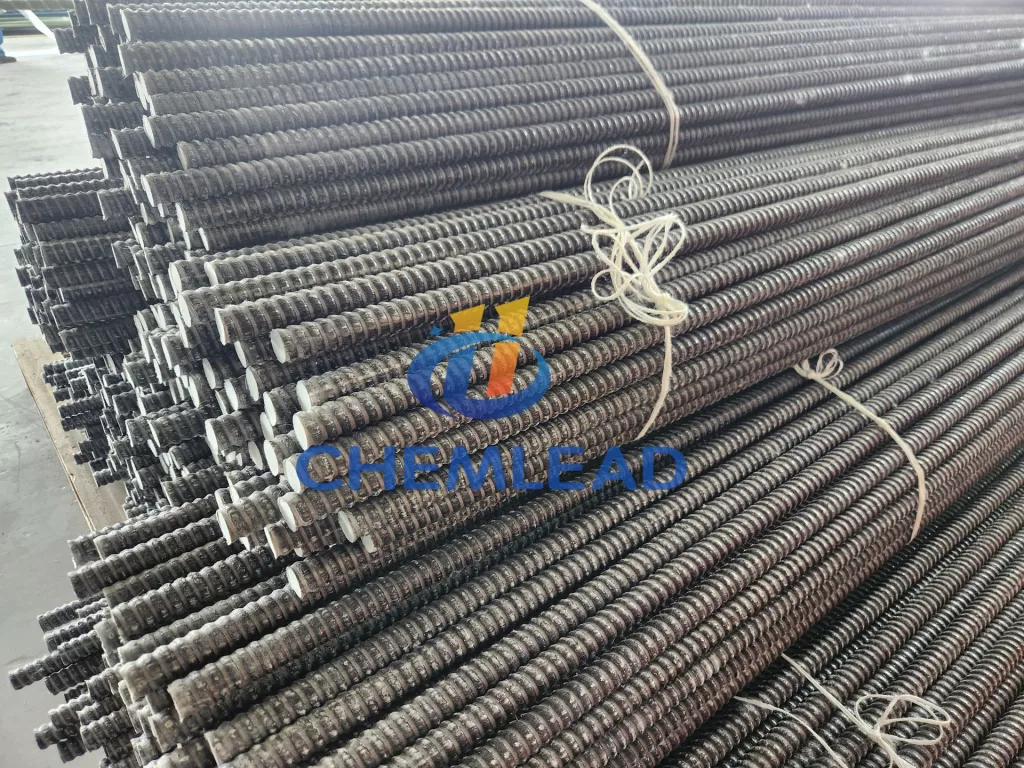
Concrete structures are expected to withstand decades of service, but traditional steel reinforcement often faces one major challenge: corrosion. Exposure to moisture, chlorides, saltwater, and chemicals can cause steel rebar to rust, leading to cracking, spalling, and costly repairs.
As infrastructure owners increasingly prioritize durability and lifecycle performance, Fiberglass Reinforced Polymer (GFRP) rebar has emerged as a reliable alternative to conventional steel reinforcement.
What Is Fiberglass Rebar?
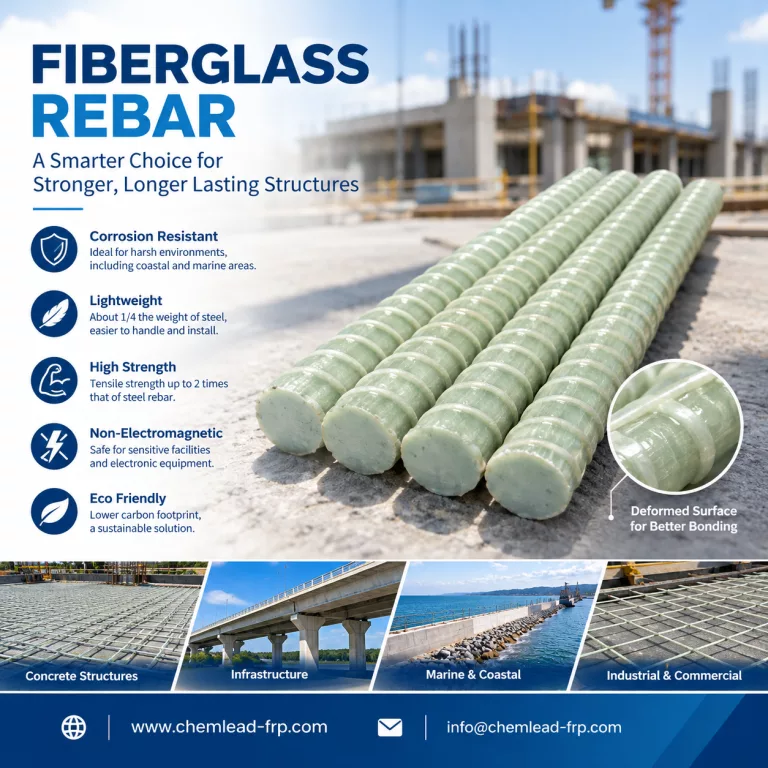
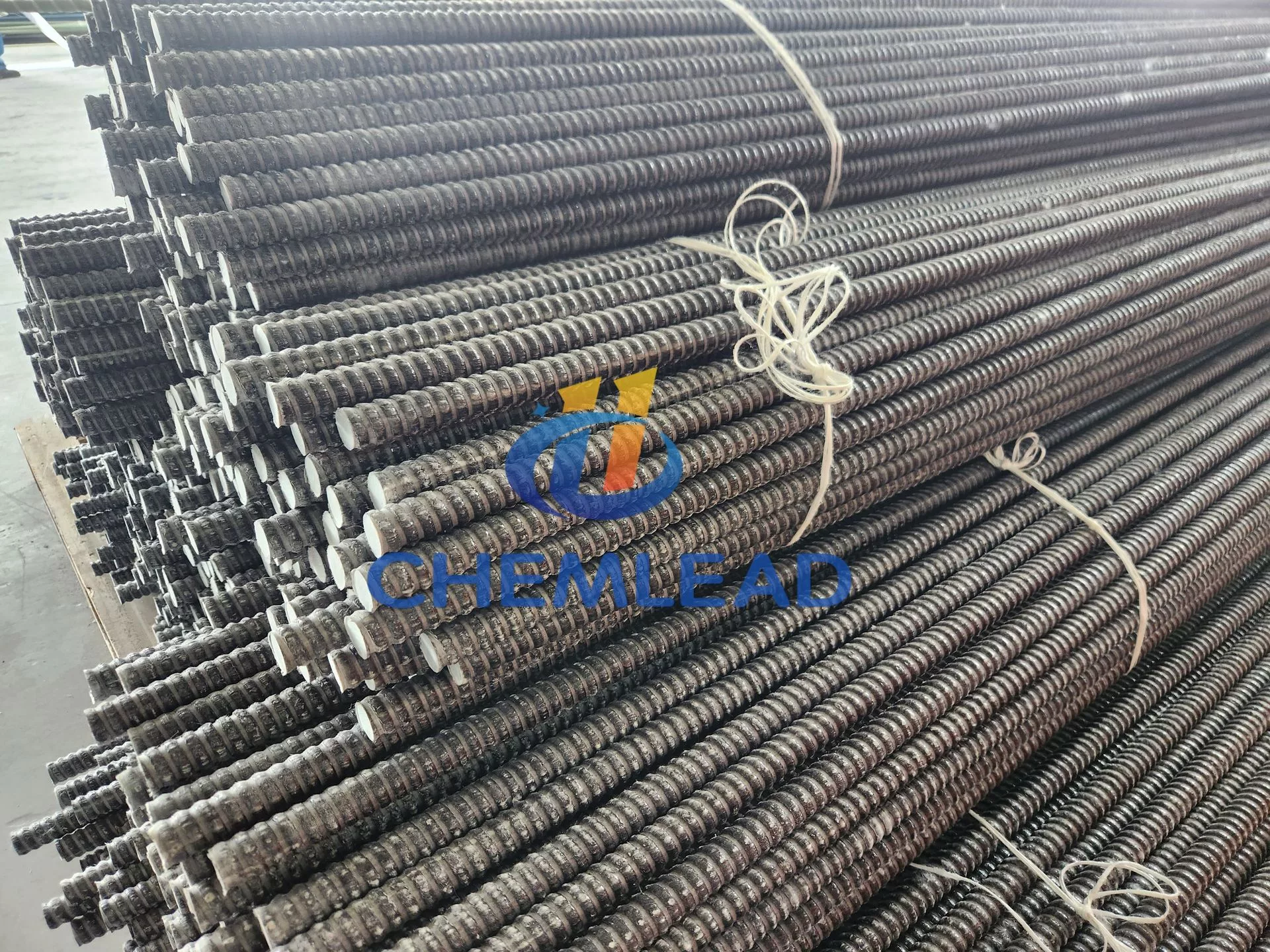
Fiberglass Rebar, also known as GFRP Rebar, is a composite reinforcement material manufactured from high-strength glass fibers embedded in a polymer resin matrix. Unlike steel, fiberglass rebar does not corrode, making it particularly suitable for structures exposed to aggressive environments.
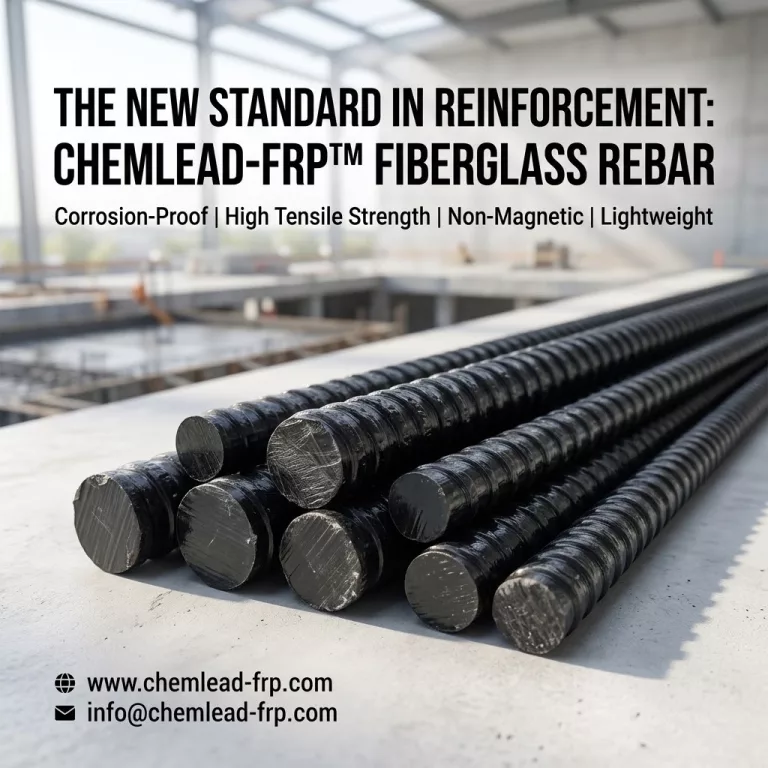
Its combination of corrosion resistance, lightweight handling, and high tensile strength makes it an increasingly popular choice for modern construction projects.
Why Choose Fiberglass Rebar?
Exceptional Corrosion Resistance
Corrosion is one of the leading causes of deterioration in reinforced concrete structures. Fiberglass rebar is inherently resistant to rust and chemical attack, helping maintain structural integrity even in harsh conditions.
This makes GFRP rebar ideal for environments exposed to:
- Saltwater
- De-icing salts
- Wastewater
- Chemicals
- High humidity
Lightweight and Easy to Install
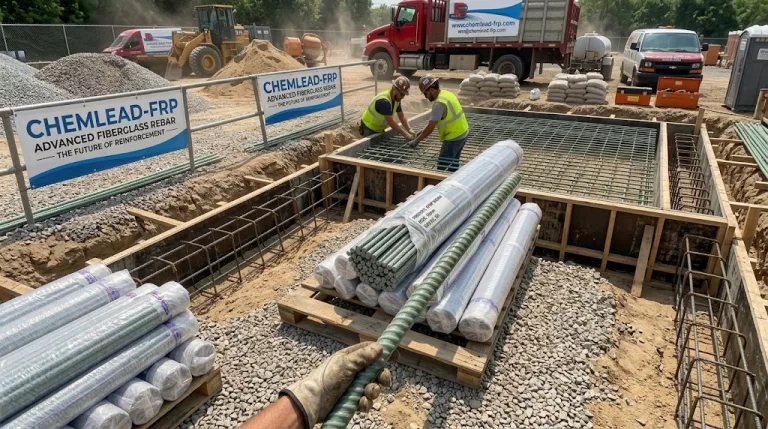
Fiberglass rebar weighs approximately one-quarter of traditional steel rebar, making transportation, handling, and installation significantly easier.
The reduced weight can help:
- Lower transportation costs
- Improve jobsite efficiency
- Reduce labor requirements
- Simplify installation in difficult locations
High Tensile Strength
Despite its lightweight nature, fiberglass rebar offers excellent tensile strength, providing reliable reinforcement for a wide range of concrete applications.
Low Maintenance Requirements
Because fiberglass rebar does not rust, structures reinforced with GFRP require fewer repairs and less maintenance over their service life. This can result in substantial savings for infrastructure owners and project developers.
Non-Conductive and Non-Magnetic
Fiberglass rebar does not conduct electricity and is non-magnetic, making it suitable for specialized applications where electromagnetic interference must be avoided.
Applications of Fiberglass Rebar
The durability of GFRP reinforcement makes it suitable for many demanding construction environments, including:
Bridges and Highways
Bridges are constantly exposed to moisture and de-icing salts that accelerate steel corrosion. Fiberglass rebar helps extend service life and reduce maintenance costs.
Marine and Coastal Structures
Seawalls, docks, piers, and coastal infrastructure benefit from the corrosion-resistant properties of fiberglass reinforcement in saltwater environments.
Water and Wastewater Facilities
Treatment plants, reservoirs, tanks, and utility structures often face continuous exposure to moisture and chemicals, making GFRP rebar an effective reinforcement solution.
Parking Structures
Parking garages frequently encounter chloride exposure from vehicles and winter road treatments. Fiberglass rebar helps prevent corrosion-related deterioration.
Industrial Facilities
Chemical plants and industrial projects require reinforcement materials capable of performing in aggressive environments without degradation.
Supporting Sustainable Infrastructure
Modern infrastructure is increasingly evaluated based on total lifecycle cost rather than initial construction cost alone. By reducing maintenance needs and extending service life, fiberglass rebar contributes to more sustainable and cost-effective construction practices.
Longer-lasting structures mean fewer repairs, reduced material consumption, and improved long-term performance.
The Future of Concrete Reinforcement
The construction industry continues to move toward materials that offer both strength and durability. Fiberglass rebar addresses one of the most significant challenges facing reinforced concrete structures—corrosion—while providing additional benefits such as lightweight handling and reduced maintenance requirements.
For bridges, marine structures, water treatment facilities, and other demanding applications, GFRP rebar offers a practical solution designed for long-term performance.
Less corrosion. Less maintenance. Longer service life.
The future of concrete reinforcement is not only about strength—it is about durability.