+8613776545860


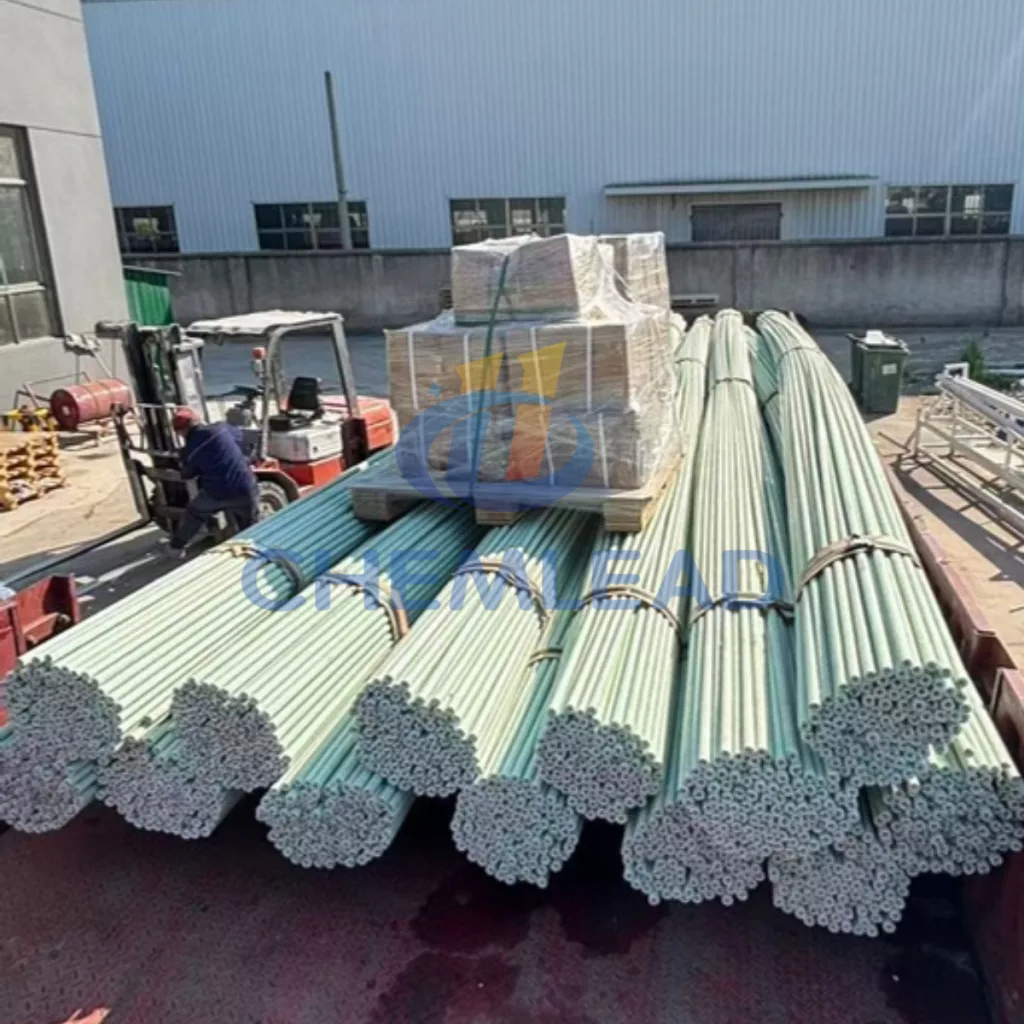
Fiberglass Rebar: The Future of Stronger, Smarter Construction
The construction industry is evolving rapidly, and modern infrastructure demands materials that deliver strength, durability, and long-term performance. Traditional steel reinforcement has served the industry for decades, but new technologies are changing the way engineers and contractors build. One of the most innovative solutions leading this transformation is Fiberglass Rebar (GFRP Rebar).
Designed for high-performance applications, fiberglass rebar offers exceptional durability in environments where steel reinforcement often fails. From bridges and highways to marine structures and industrial foundations, GFRP rebar is becoming the preferred choice for modern construction projects.
What Is Fiberglass Rebar?
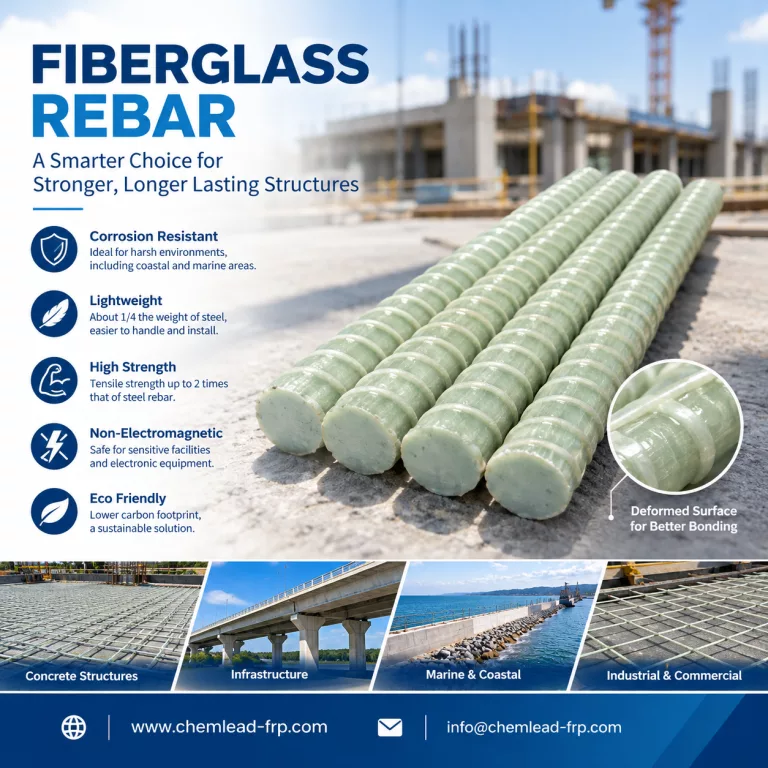
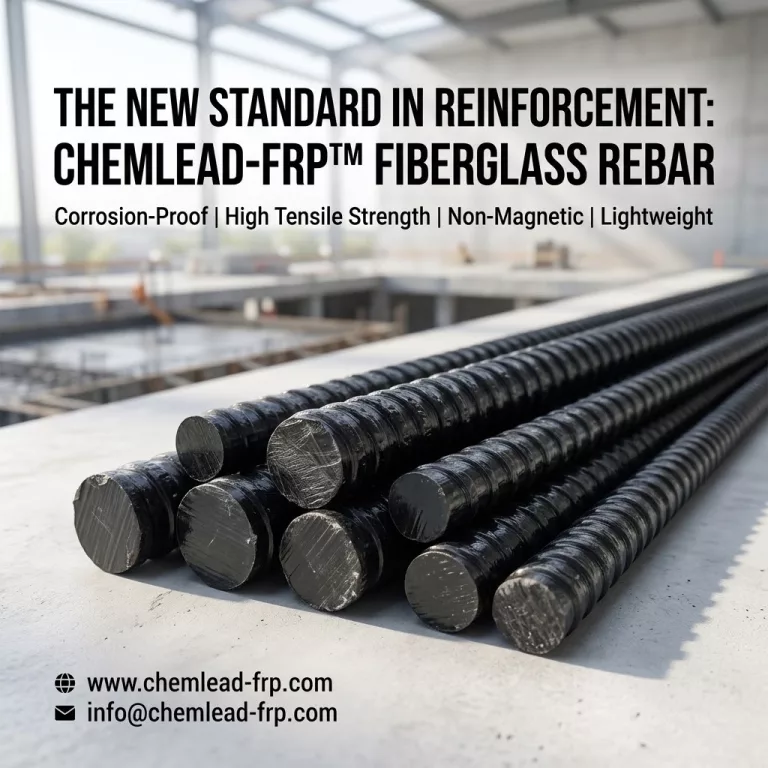
Fiberglass rebar, also known as Glass Fiber Reinforced Polymer (GFRP) rebar, is a reinforcement material made from high-strength glass fibers combined with a durable polymer resin. Unlike traditional steel rebar, fiberglass rebar does not rust or corrode, making it ideal for structures exposed to moisture, chemicals, and harsh environmental conditions.
Its lightweight structure and high tensile strength provide contractors and engineers with a reliable alternative to steel while reducing maintenance and extending the lifespan of concrete structures.
Key Benefits of Fiberglass Rebar
High Tensile Strength
Fiberglass rebar is engineered to provide excellent tensile strength, helping concrete structures withstand heavy loads and environmental stress. Its strength-to-weight ratio makes it a reliable reinforcement solution for demanding infrastructure and industrial applications.
Corrosion Resistance
One of the biggest challenges with steel reinforcement is corrosion. Exposure to water, salt, chemicals, and humidity can weaken steel over time, causing cracks and structural deterioration.
Fiberglass rebar is completely corrosion-resistant, making it ideal for:
- Marine structures
- Coastal construction
- Wastewater treatment facilities
- Chemical plants
- Underground foundations
By preventing corrosion, GFRP rebar helps extend the life of concrete structures and reduces costly repairs.
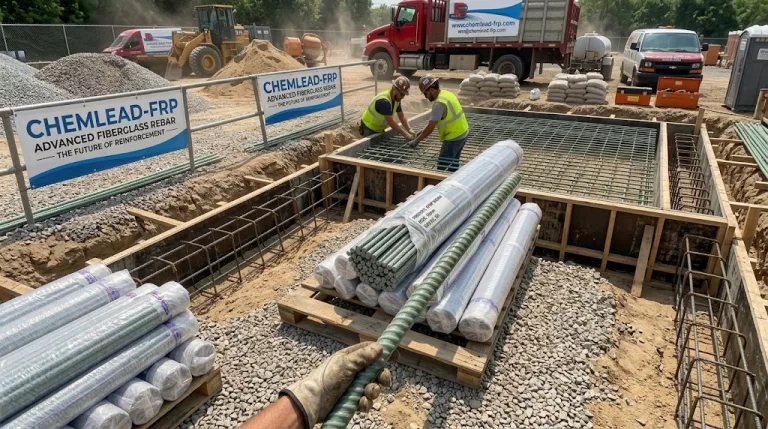
Lightweight and Easy to Install
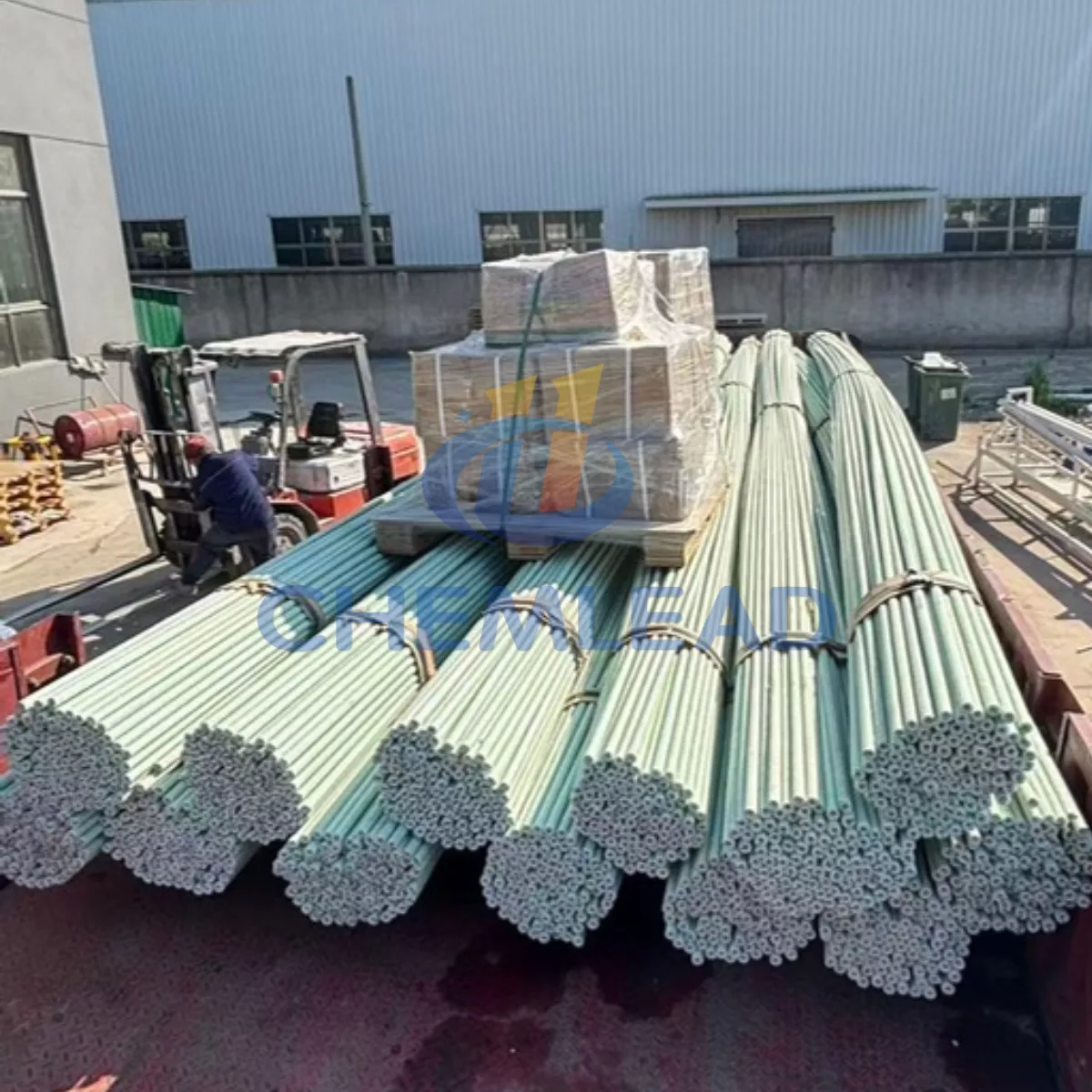
Fiberglass rebar is significantly lighter than steel, allowing easier transportation and handling on construction sites. Contractors benefit from:
- Faster installation
- Lower labor costs
- Reduced transportation expenses
- Improved job-site efficiency
Its lightweight nature also reduces the need for heavy lifting equipment during installation.
Non-Conductive and Non-Magnetic
Unlike steel, fiberglass rebar does not conduct electricity or interfere with magnetic fields. This makes it suitable for specialized projects such as:
- Electrical substations
- Hospitals and MRI facilities
- Rail systems
- Data centers
- Power generation facilities
Its non-conductive properties improve safety and performance in sensitive environments.
Long Lifespan and Lower Maintenance
Concrete structures reinforced with fiberglass rebar require less maintenance because there is no risk of rust-related damage. This results in:
- Lower lifecycle costs
- Reduced maintenance downtime
- Longer structural lifespan
- Better long-term investment value
For infrastructure owners and developers, this translates into significant cost savings over time.
Applications of Fiberglass Rebar
Fiberglass rebar is widely used in both commercial and industrial construction projects.
Bridges and Highways
Transportation infrastructure is constantly exposed to moisture, de-icing salts, and changing weather conditions. Fiberglass rebar helps improve durability in:
- Bridge decks
- Highway barriers
- Retaining walls
- Tunnels
Marine and Coastal Construction
Saltwater environments can quickly corrode steel reinforcement. Fiberglass rebar performs exceptionally well in:
- Sea walls
- Docks and piers
- Ports and harbors
- Coastal foundations
Industrial Flooring and Foundations
Industrial environments often involve heavy loads and chemical exposure. GFRP rebar provides durable reinforcement for:
- Manufacturing facilities
- Warehouses
- Industrial flooring
- Processing plants
Precast Concrete Products
Fiberglass rebar is increasingly used in precast concrete manufacturing because of its lightweight design and durability. Common applications include:
- Precast panels
- Utility vaults
- Concrete pipes
- Architectural concrete elements
Why the Construction Industry Is Moving Toward GFRP Rebar
As construction standards continue to evolve, engineers and developers are seeking materials that provide long-term performance with lower maintenance requirements. Fiberglass rebar addresses many of the limitations associated with traditional steel reinforcement while supporting modern infrastructure needs.
Its corrosion resistance, lightweight handling, high strength, and durability make it an ideal reinforcement solution for projects where performance and longevity are critical.
The Future of Concrete Reinforcement
Fiberglass rebar is redefining the future of construction by offering a smarter alternative to conventional steel reinforcement. With growing demand for sustainable, durable, and cost-effective building materials, GFRP rebar is becoming an essential component in modern infrastructure and industrial projects.
Whether used in bridges, highways, marine structures, or industrial foundations, fiberglass rebar delivers the reliability and long-term performance required for the next generation of construction.