+8613776545860


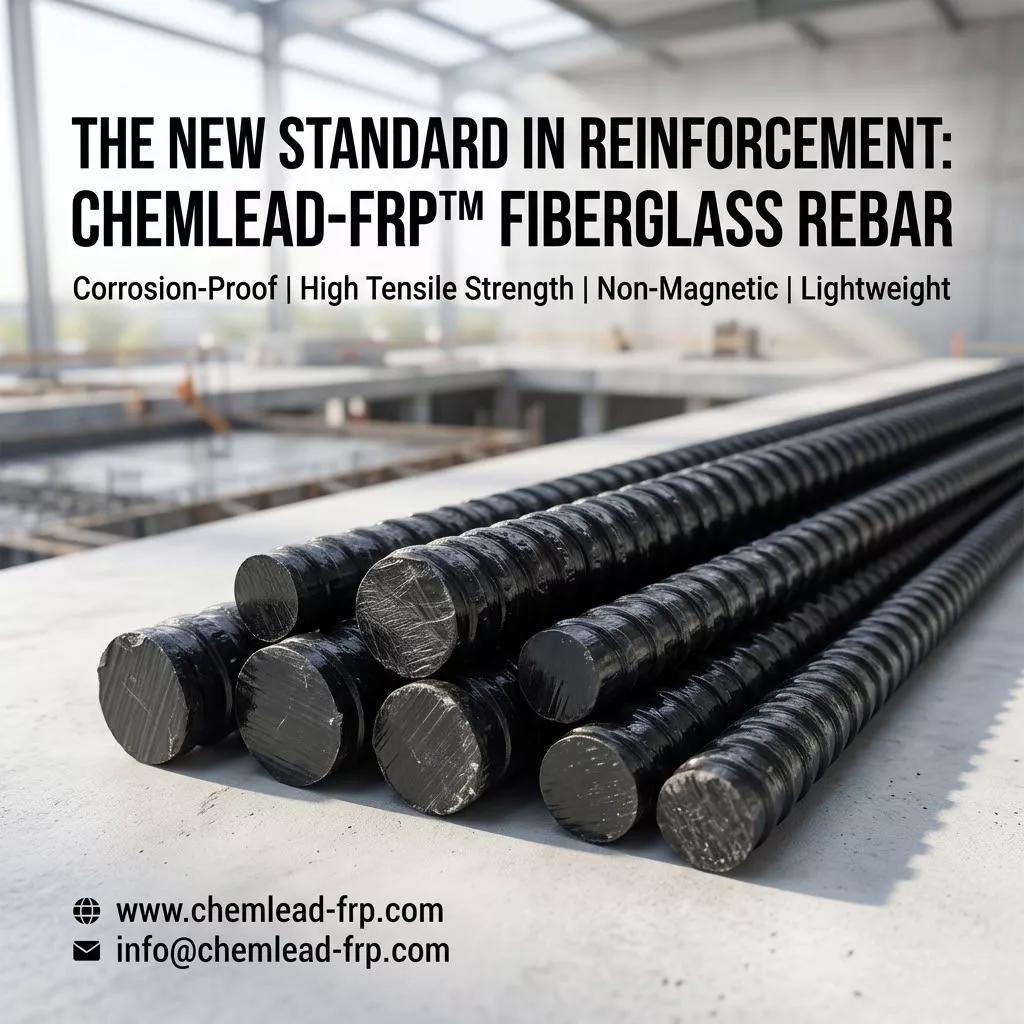
Why Basalt Fiber Rebar (BFRP) is Replacing Steel in Modern Infrastructure
Corrosion is the single greatest threat to concrete infrastructure. From highway bridge decks and seawalls to chemical processing plants, traditional steel rebar degrades over time, leading to costly repairs, structural compromise, and premature failure.
As civil engineering shifts toward sustainable, long-life building materials, Basalt Fiber Reinforced Polymer (BFRP) Rebar has emerged as one of the most effective non-metallic reinforcement solutions on the market.
In this article, we examine what BFRP rebar is, how it compares to traditional steel, and why modern infrastructure projects are switching to basalt composite reinforcement.
What is Basalt Fiber Reinforced Polymer (BFRP) Rebar?
BFRP rebar is a high-performance composite material manufactured by pultruding continuous basalt fibers bound with resin. Derived from melted basalt rock—a natural volcanic stone—BFRP combines extreme durability with high structural strength.
Unlike traditional steel, which relies on heavy carbon-intensive mining and refining, basalt fiber production utilizes an abundant natural resource while yielding superior material properties for concrete reinforcement.
Key Benefits of BFRP Rebar for Civil Engineering
1. 100% Corrosion Resistance (Zero Rust)
The primary driver behind BFRP adoption is its complete immunity to oxidation. BFRP rebar is entirely impervious to salt, moisture, de-icing chemicals, and harsh alkalis.
- Best used in: Seawalls, marine foundations, coastal retaining walls, wastewater treatment plants, and bridge decks exposed to winter road salts.
2. High Strength-to-Weight Ratio (75% Lighter Than Steel)
BFRP rebar features a tensile strength significantly higher than standard grade steel rebar, while weighing only one-quarter (25%) of steel’s weight.
- Logistics savings: Reduced shipping costs per metric ton.
- Job site efficiency: Faster installation, reduced crane/heavy machinery dependence, and significantly less physical labor strain on crews.
3. Non-Conductive & Electromagnetically Neutral
BFRP does not conduct electricity and is non-magnetic. This makes it essential for specialized construction where electromagnetic interference (EMI) or stray electrical currents pose a hazard.
- Ideal applications: MRI rooms in hospitals, high-voltage substations, automated toll booths, data centers, and aluminum smelting facilities.
4. Eco-Friendly & Sustainable Construction
Because basalt rock is an abundant natural raw material, the manufacturing process yields a lower carbon footprint than conventional steel production. Combined with an extended maintenance-free service life (often 100+ years), BFRP significantly lowers the total life-cycle environmental impact of a structure.
BFRP Rebar vs. Traditional Steel: Key Performance Differences
- Corrosion Risk: Steel rusts and expands over time, leading to concrete spalling. BFRP is 100% non-corrosive and will never rust.
- Material Weight: Steel weighs approximately 7,850 kg/m³, whereas BFRP weighs only 1,900 to 2,100 kg/m³—making BFRP 75% lighter.
- Tensile Strength: Standard grade steel offers around 400 to 500 MPa, while BFRP rebar achieves tensile strengths exceeding 1,000 MPa.
- Conductivity: Steel conducts both electricity and magnetic fields. BFRP is completely non-conductive and non-magnetic.
- Maintenance & Lifecycle Costs: Steel requires frequent inspection and repairs due to corrosion. BFRP requires virtually zero ongoing maintenance, drastically reducing long-term lifecycle costs.
Common Applications for Basalt Rebar
- Marine & Coastal Structures: Docks, piers, seawalls, breakwaters, and offshore platforms.
- Bridge Decks & Highways: Roads exposed to freeze-thaw cycles and de-icing salts.
- Water Treatment Facilities: Sewage tanks, underground utility vaults, and water reservoirs.
- Specialized Buildings: Hospital imaging centers, scientific laboratories, and high-voltage power installations.
Extend the Lifespan of Your Concrete Structures
Eliminate costly repairs caused by rebar oxidation and future-proof your civil construction projects with premium Basalt Fiber Reinforced Polymer rebar.
Whether you need detailed technical data sheets, ASTM testing reports, or custom pricing for an upcoming project, our team is ready to assist.
📩 Contact our technical sales team today at info@chemlead-frp.com to request product specifications or a custom project quote