+8613776545860


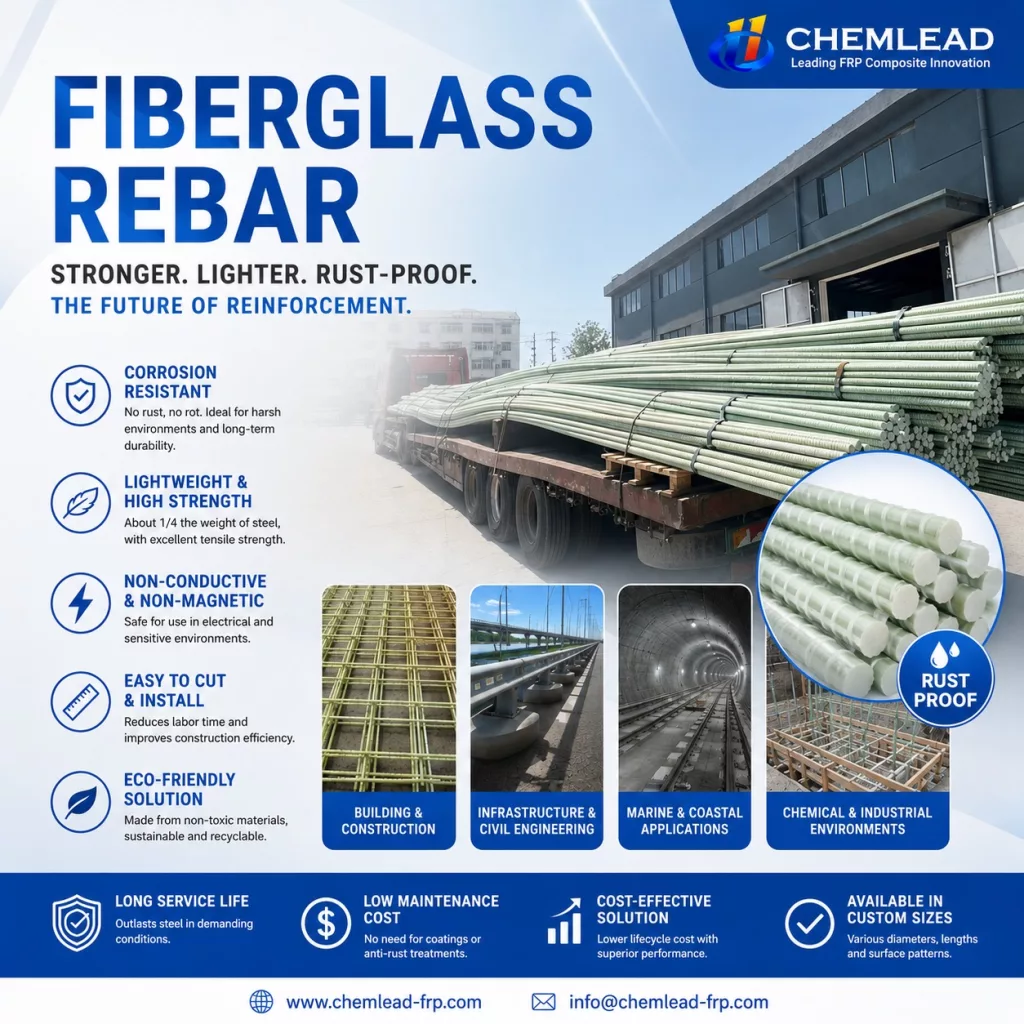
The Future of Concrete Reinforcement Is Here
The construction industry is constantly evolving, driven by the need for stronger, more durable, and more sustainable building materials. As infrastructure projects become larger and more demanding, engineers and contractors are increasingly seeking alternatives to traditional steel reinforcement.
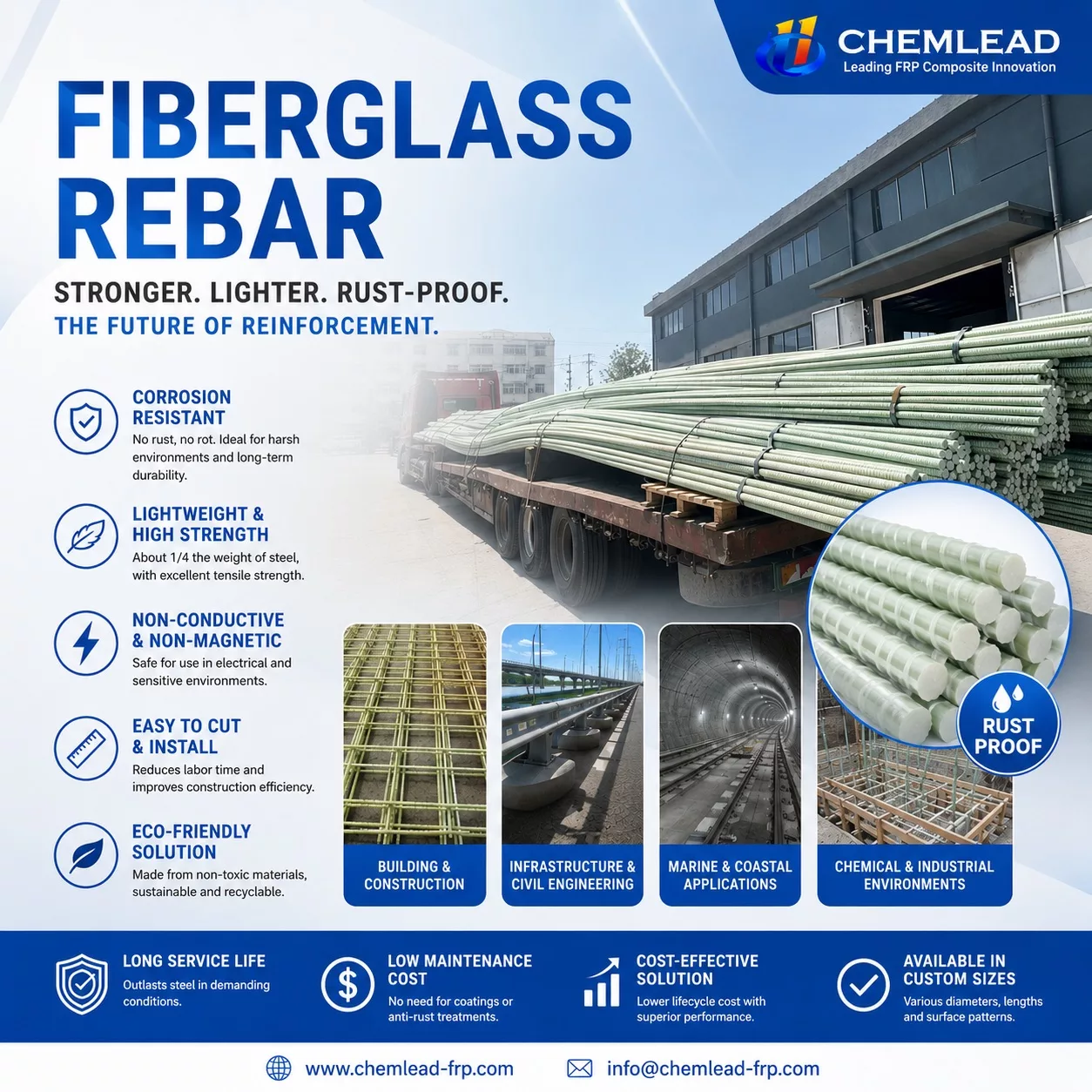
One material gaining significant attention worldwide is Fiberglass Reinforced Polymer (FRP) rebar, also known as GFRP rebar. With its exceptional corrosion resistance, lightweight design, and long service life, FRP rebar is transforming the way modern infrastructure is built.
Today, FRP rebar is no longer considered just an alternative to steel—it is becoming the preferred reinforcement solution for many critical applications.
What Is FRP Rebar?
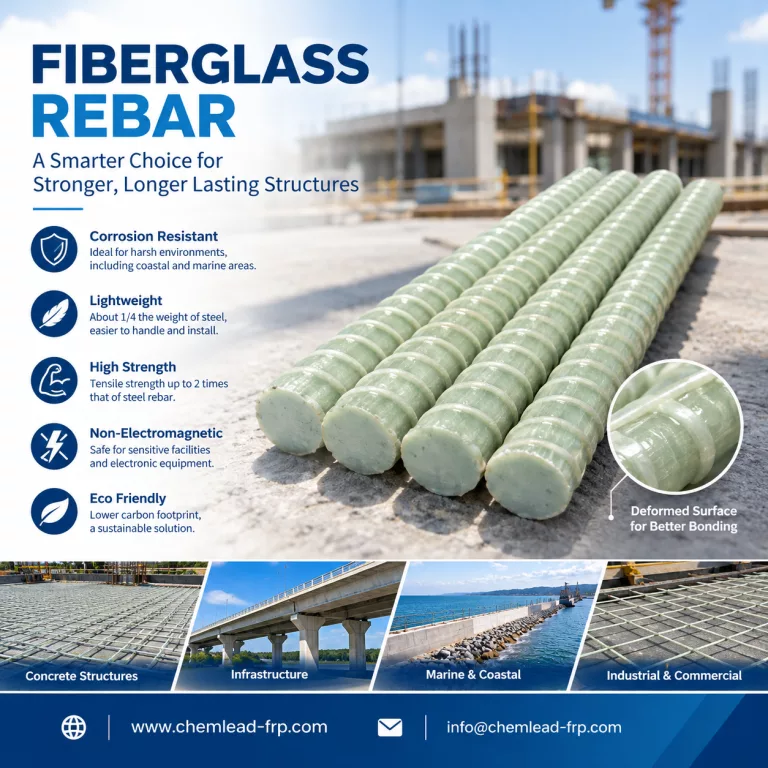
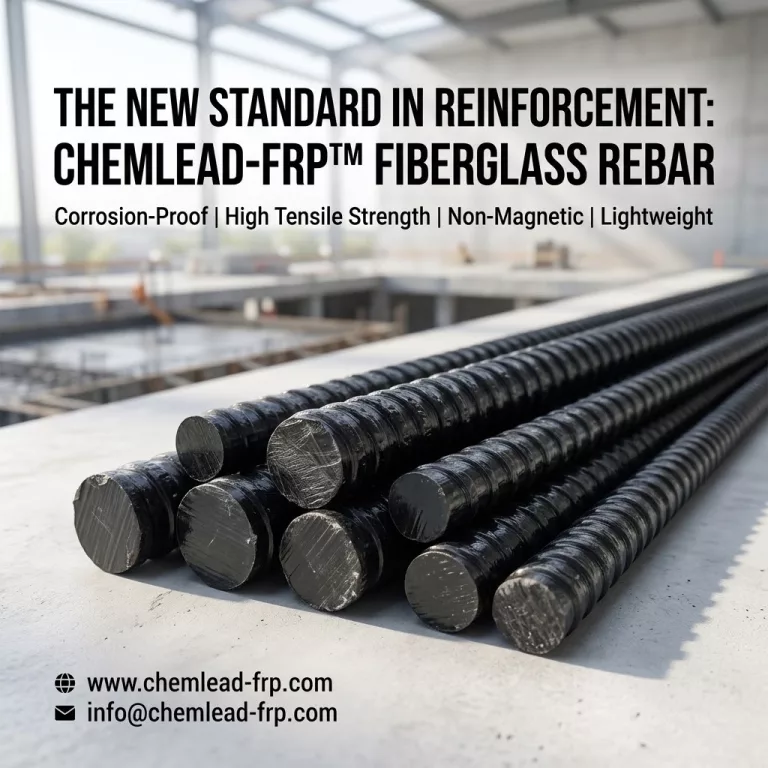
FRP rebar is a composite reinforcement material manufactured from continuous glass fibers embedded in a high-performance resin matrix.
Unlike conventional steel rebar, FRP rebar does not contain metal and therefore does not rust or corrode when exposed to harsh environmental conditions.
This unique composition provides several performance advantages that make it ideal for modern infrastructure projects.
Key Benefits of FRP Rebar
1. Superior Corrosion Resistance
One of the biggest challenges facing reinforced concrete structures is steel corrosion.
Exposure to:
- Saltwater
- Chlorides
- Chemicals
- Moisture
- De-icing salts
can cause steel reinforcement to rust over time. As corrosion progresses, concrete begins to crack, spall, and lose structural integrity.
FRP rebar is completely corrosion resistant, making it an excellent choice for aggressive environments where steel reinforcement often fails.
2. Lightweight and Easy to Handle
FRP rebar weighs significantly less than steel rebar.
This lightweight characteristic offers several advantages:
- Easier transportation
- Reduced shipping costs
- Faster installation
- Lower labor requirements
- Improved jobsite efficiency
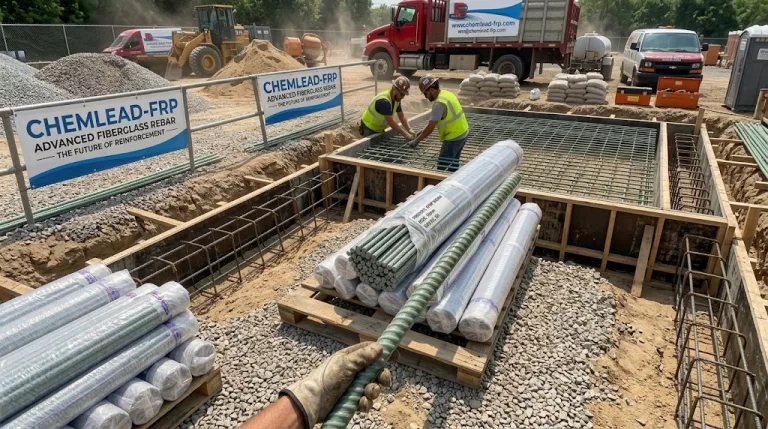
Construction crews can move and install FRP reinforcement more easily, helping reduce project timelines and overall costs.
3. High Tensile Strength
Although lightweight, FRP rebar provides impressive tensile strength.
Its high strength-to-weight ratio allows engineers to design durable structures capable of withstanding demanding service conditions while benefiting from reduced material weight.
4. Non-Conductive and Non-Magnetic
Unlike steel, FRP rebar does not conduct electricity and does not interfere with electromagnetic fields.
This makes it particularly valuable for projects involving:
- Power stations
- Electrical substations
- Railway systems
- Hospitals
- Data centers
- Sensitive electronic equipment
Its non-magnetic properties also make FRP reinforcement suitable for structures where electromagnetic interference must be minimized.
5. Lower Lifecycle Costs
While initial material selection is important, long-term performance often determines the true cost of a structure.
Because FRP rebar eliminates corrosion-related deterioration, owners benefit from:
- Reduced maintenance expenses
- Fewer repairs
- Longer service life
- Lower lifecycle costs
For infrastructure designed to operate for decades, these savings can be substantial.
Common Applications of FRP Rebar
As awareness of composite reinforcement technology continues to grow, FRP rebar is being adopted across a wide range of industries.
Bridges and Transportation Infrastructure
Bridges are frequently exposed to water, chlorides, and de-icing salts that accelerate steel corrosion.
FRP rebar helps extend bridge lifespan while reducing maintenance requirements.
Coastal and Marine Structures
Marine environments are among the most aggressive conditions for traditional steel reinforcement.
FRP rebar is widely used in:
- Seawalls
- Piers
- Docks
- Ports
- Coastal protection systems
Its corrosion resistance ensures long-term durability even under continuous saltwater exposure.
Wastewater Treatment Facilities
Wastewater plants contain highly corrosive chemicals that can rapidly degrade steel reinforcement.
FRP rebar provides reliable performance in:
- Treatment tanks
- Clarifiers
- Pump stations
- Water infrastructure systems
Industrial Facilities
Factories, chemical plants, and processing facilities often require reinforcement materials capable of resisting chemical attack and harsh operating conditions.
FRP rebar helps maintain structural integrity while reducing maintenance demands.
Renewable Energy Projects
The renewable energy sector increasingly relies on FRP reinforcement for:
- Solar farms
- Wind energy infrastructure
- Utility installations
- Energy storage facilities
The material’s durability and low maintenance requirements support long-term operational efficiency.
Why Engineers Are Choosing FRP Rebar
As infrastructure owners focus on sustainability, durability, and cost efficiency, engineers are reevaluating traditional construction materials.
FRP rebar addresses many of the limitations associated with steel reinforcement by providing:
- Corrosion-free performance
- Long-term durability
- Reduced maintenance requirements
- Lightweight installation advantages
- Enhanced safety around electrical systems
For projects where longevity is critical, FRP rebar offers a compelling solution that supports both performance and economic objectives.
The Growing Future of Composite Reinforcement
Global demand for corrosion-resistant construction materials continues to rise. Governments, contractors, and developers are increasingly investing in infrastructure designed to last longer and require less maintenance.
As a result, FRP rebar is rapidly gaining acceptance across transportation, marine, industrial, water management, and renewable energy sectors.
What was once considered a specialized material is now becoming a mainstream reinforcement solution for modern construction projects worldwide.