+8613776545860


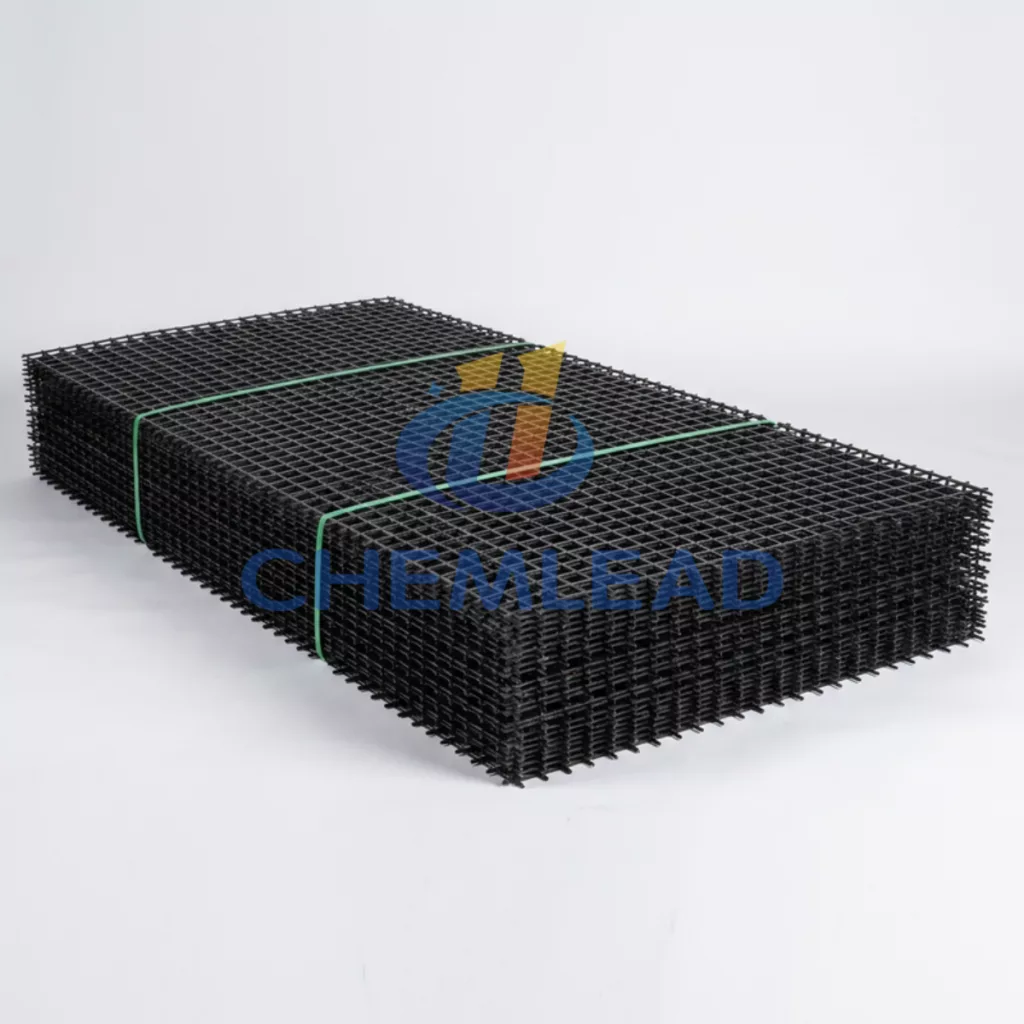
Basalt & Fiberglass Rebar Mesh: The Future of Corrosion-Free Concrete Reinforcement
In today’s construction industry, engineers and contractors are searching for stronger, lighter, and longer-lasting alternatives to traditional steel reinforcement. Corrosion, heavy weight, and rising maintenance costs have pushed the market toward innovative composite materials.
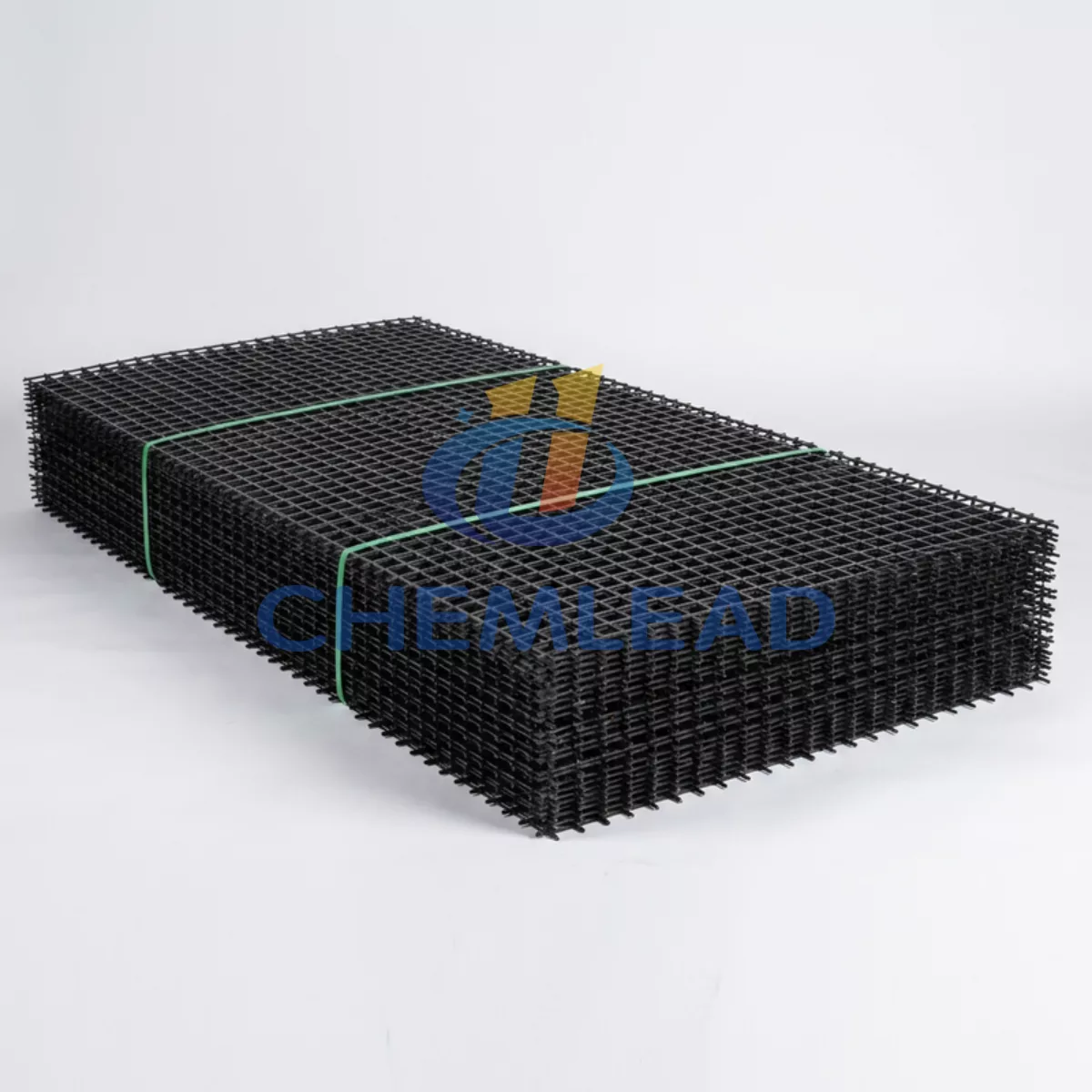
Among the most promising solutions are Basalt Fiber Rebar Mesh and Fiberglass Rebar Mesh (GFRP Mesh) — advanced reinforcement systems designed to improve concrete durability while reducing lifecycle costs.
From bridges and highways to marine structures and industrial flooring, these next-generation reinforcement materials are transforming modern construction.
What Is Basalt & Fiberglass Rebar Mesh?
Basalt and fiberglass rebar mesh are composite reinforcement materials made from continuous fibers combined with high-performance resin systems. Unlike traditional steel mesh, FRP (Fiber Reinforced Polymer) mesh does not rust or corrode.
Basalt Fiber Rebar Mesh
Basalt mesh is manufactured using fibers derived from volcanic basalt rock. It offers excellent mechanical strength, chemical resistance, and thermal stability.
Fiberglass Rebar Mesh (GFRP Mesh)
Fiberglass mesh uses alkali-resistant glass fibers embedded in polymer resin. It provides high tensile strength while remaining lightweight and non-conductive.
Both materials are engineered to replace welded steel wire mesh in concrete reinforcement applications.
Why Construction Professionals Are Switching from Steel Mesh
1. Superior Corrosion Resistance
One of the biggest problems with steel reinforcement is rust. In coastal regions, chemical plants, wastewater facilities, and de-icing salt environments, steel corrosion can severely damage concrete structures.
Basalt and fiberglass rebar mesh are:
- 100% corrosion-resistant
- Immune to chloride attacks
- Resistant to chemicals and moisture
- Ideal for aggressive environments
This significantly extends the service life of reinforced concrete structures.
2. High Tensile Strength
Despite being lightweight, FRP mesh provides impressive tensile performance comparable to or even exceeding steel in many applications.
Benefits include:
- Improved crack control
- Better structural stability
- Reduced concrete deterioration
- Enhanced long-term performance
This makes composite reinforcement ideal for infrastructure projects requiring durability and reliability.
3. Lightweight & Easy Installation
Traditional steel mesh is heavy, difficult to transport, and labor-intensive to install.
By comparison, basalt and fiberglass mesh are:
- Up to 75% lighter than steel
- Easier to handle on-site
- Faster to cut and install
- More efficient for transportation
Reduced labor requirements can help accelerate project timelines and lower installation costs.
4. Non-Conductive & Non-Magnetic
Unlike steel reinforcement, FRP mesh does not conduct electricity or interfere with electromagnetic fields.
This makes it suitable for:
- Hospitals
- MRI rooms
- Power plants
- Railway systems
- Data centers
- Sensitive industrial facilities
Its non-magnetic properties are especially valuable in specialized engineering applications.
5. Lower Maintenance & Longer Service Life
Steel reinforcement often requires expensive repair and rehabilitation due to corrosion damage over time.
Basalt and fiberglass reinforcement systems offer:
- Longer structural lifespan
- Reduced maintenance costs
- Lower lifecycle expenses
- Improved sustainability
For infrastructure owners, this means better long-term investment value.
Applications of Basalt & Fiberglass Rebar Mesh
Composite reinforcement mesh is becoming increasingly popular across multiple construction sectors.
Roads & Pavements
FRP mesh helps minimize cracking and improves pavement durability under traffic loads.
Common Uses:
- Highway concrete slabs
- Airport pavements
- Sidewalks
- Parking lots
Bridges & Infrastructure
Bridge decks are highly vulnerable to chloride-induced corrosion from de-icing salts and marine exposure.
Basalt and fiberglass mesh provide:
- Extended bridge service life
- Reduced maintenance frequency
- Improved structural durability
Marine & Coastal Structures
Saltwater environments rapidly corrode traditional steel reinforcement.
FRP mesh is ideal for:
- Seawalls
- Ports
- Docks
- Coastal embankments
- Offshore structures
Industrial Floors & Chemical Plants
Chemical exposure can quickly degrade steel reinforcement.
Composite mesh performs exceptionally well in:
- Factories
- Warehouses
- Chemical processing facilities
- Wastewater treatment plants
Prefabricated Concrete Elements
Lightweight reinforcement improves efficiency in precast manufacturing.
Typical applications include:
- Concrete wall panels
- Tunnel segments
- Pipes
- Architectural panels
Basalt Mesh vs Fiberglass Mesh
Feature | Basalt Fiber Mesh | Fiberglass Mesh |
|---|---|---|
Corrosion Resistance | Excellent | Excellent |
Weight | Lightweight | Very Lightweight |
Tensile Strength | High | High |
Thermal Resistance | Higher | Good |
Cost Efficiency | Moderate | Excellent |
Electrical Conductivity | Non-Conductive | Non-Conductive |
Both options provide major advantages over steel reinforcement, with material selection depending on project requirements and budget.
Why FRP Reinforcement Is the Future of Construction
As infrastructure demands continue to grow, the construction industry is moving toward smarter, more durable materials.
Basalt and fiberglass rebar mesh offer:
- Longer-lasting infrastructure
- Lower total ownership costs
- Improved sustainability
- Faster construction efficiency
- Better resistance to harsh environments
For engineers, contractors, and project owners, FRP reinforcement is no longer just an alternative — it is becoming the preferred solution for modern concrete construction.
Looking for Reliable Basalt or Fiberglass Rebar Mesh Suppliers?
At Nanjing Chemlead New Material, we provide high-performance FRP reinforcement solutions for global infrastructure and construction projects.
Our product range includes:
- Fiberglass rebar mesh
- Basalt fiber mesh
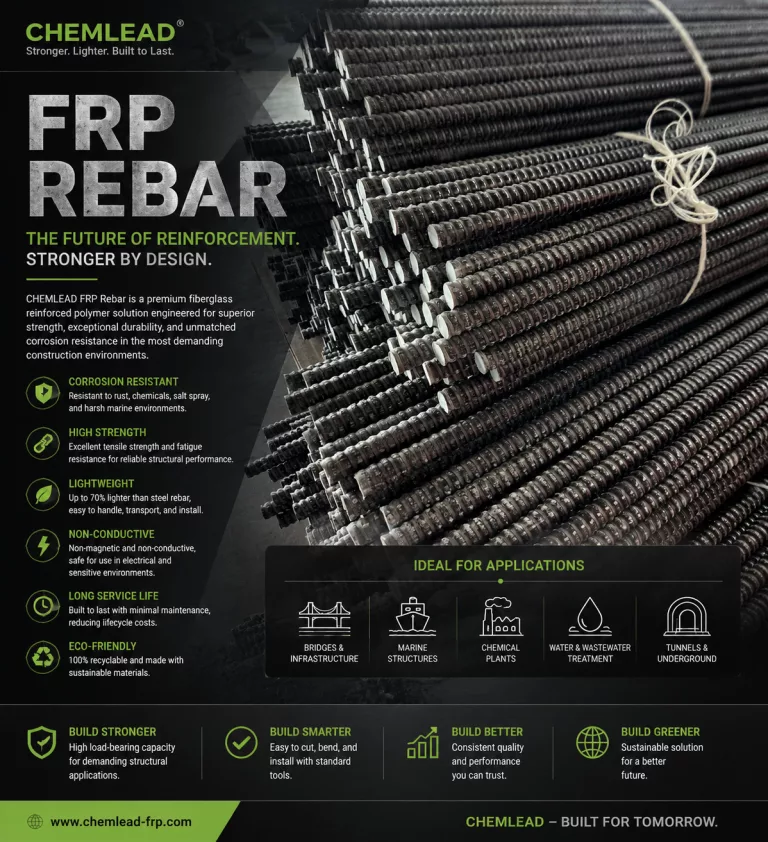
- GFRP rebars
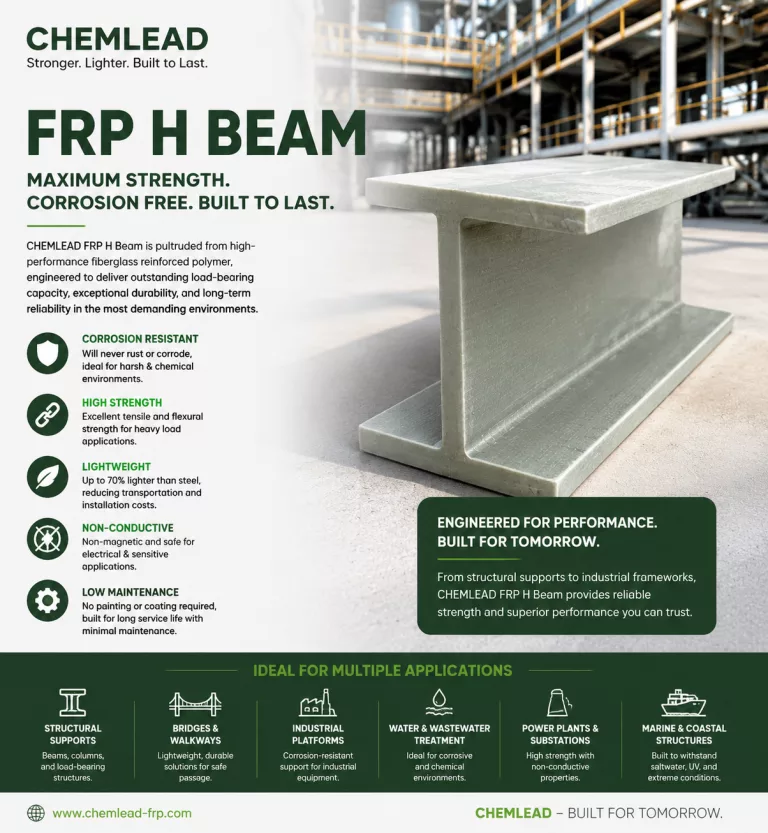
- FRP structural profiles
- Customized reinforcement solutions
Whether you are working on bridges, roads, marine projects, or industrial facilities, our engineering team can help provide the right reinforcement system for your application.
Contact us today for:
- Technical specifications
- Standard sizes
- Custom manufacturing
- Project consultation
- International export support