+8613776545860


Corrosion is the number one reason concrete structures fail prematurely. From marine environments and coastal infrastructure to industrial facilities and highways exposed to de-icing salts, steel rebar rusts, expands, cracks concrete, and drives up maintenance costs.
The solution? FRP Fiberglass Rebar — a modern, corrosion-free reinforcement material engineered for durability, strength, and long-term performance.
Why Corrosion Destroys Steel-Reinforced Concrete
Steel corrodes when exposed to moisture, chlorides, and chemicals. As rust forms, steel expands, leading to:
Concrete cracking and spalling
Reduced structural capacity
Expensive repairs and downtime
Shortened service life
Even with coatings or higher concrete cover, corrosion remains inevitable in aggressive environments.
What Is FRP Fiberglass Rebar?
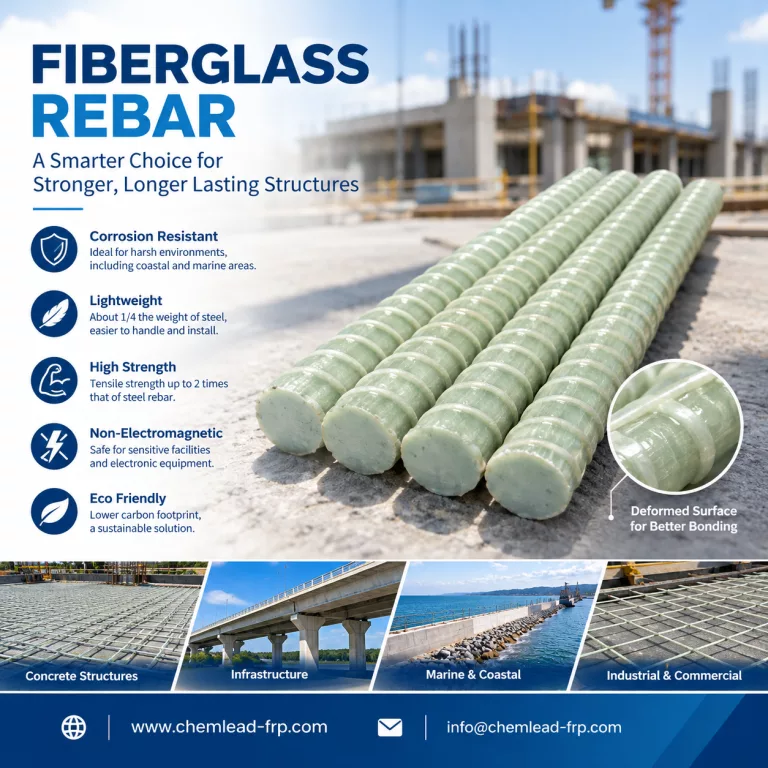
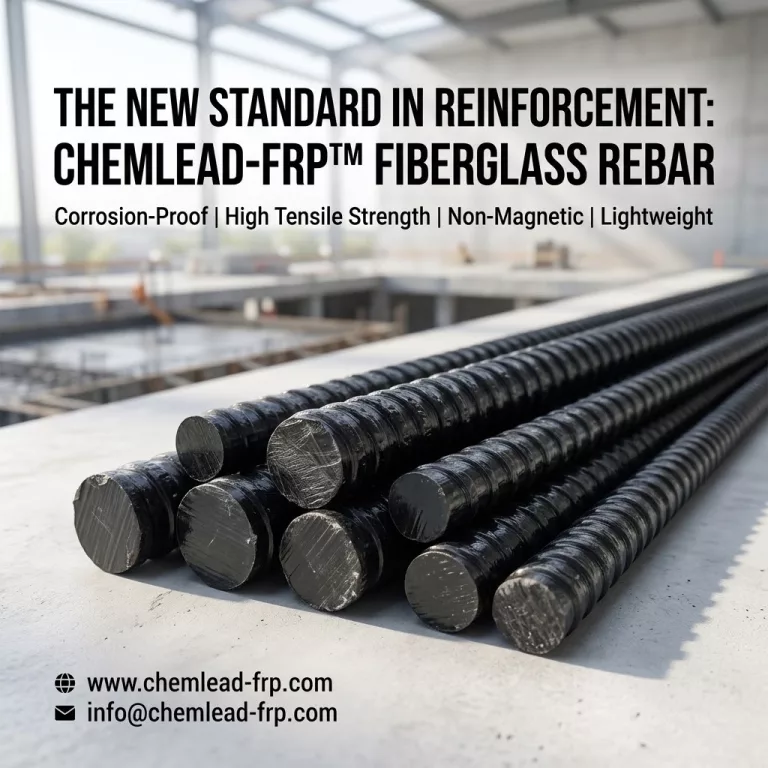
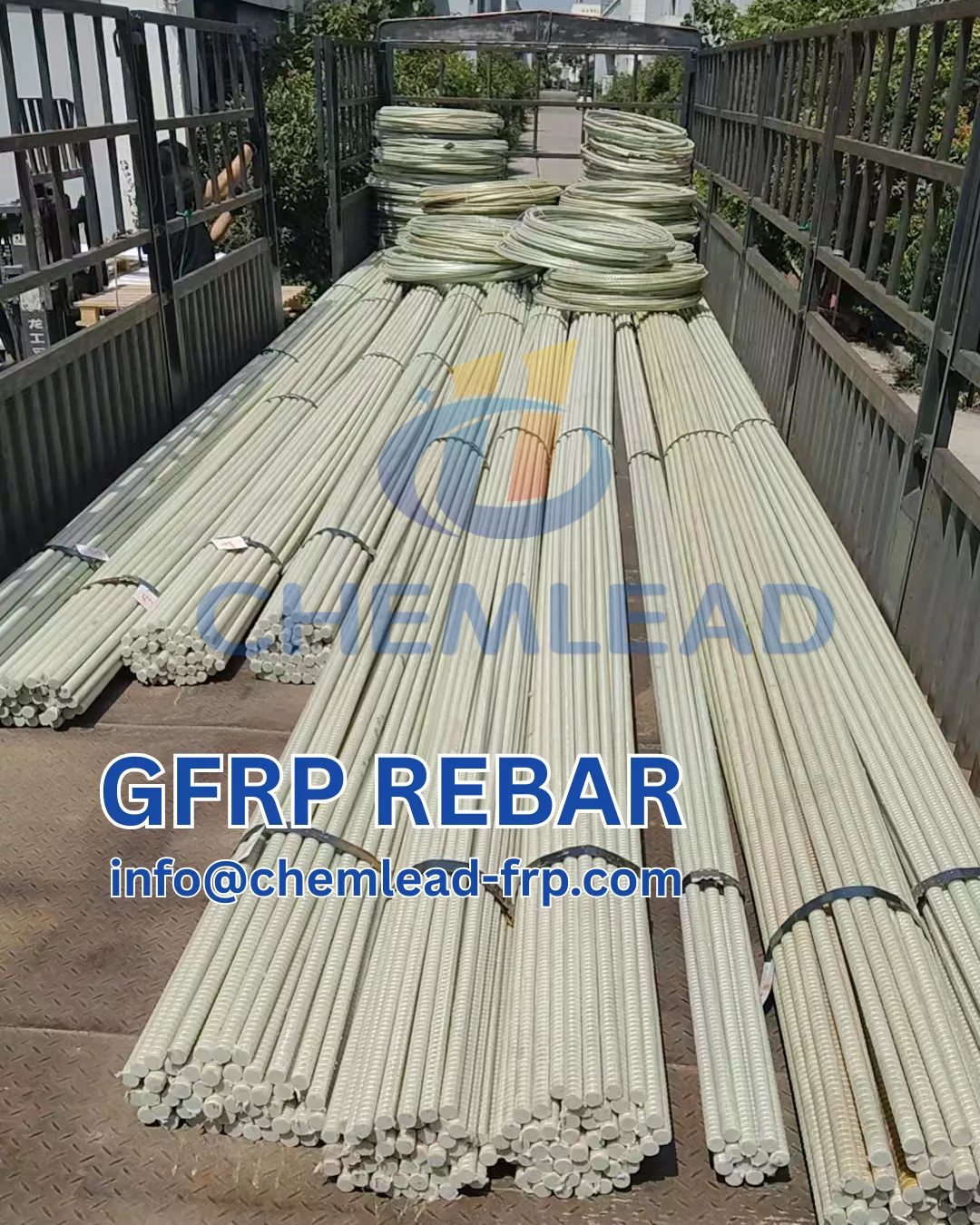
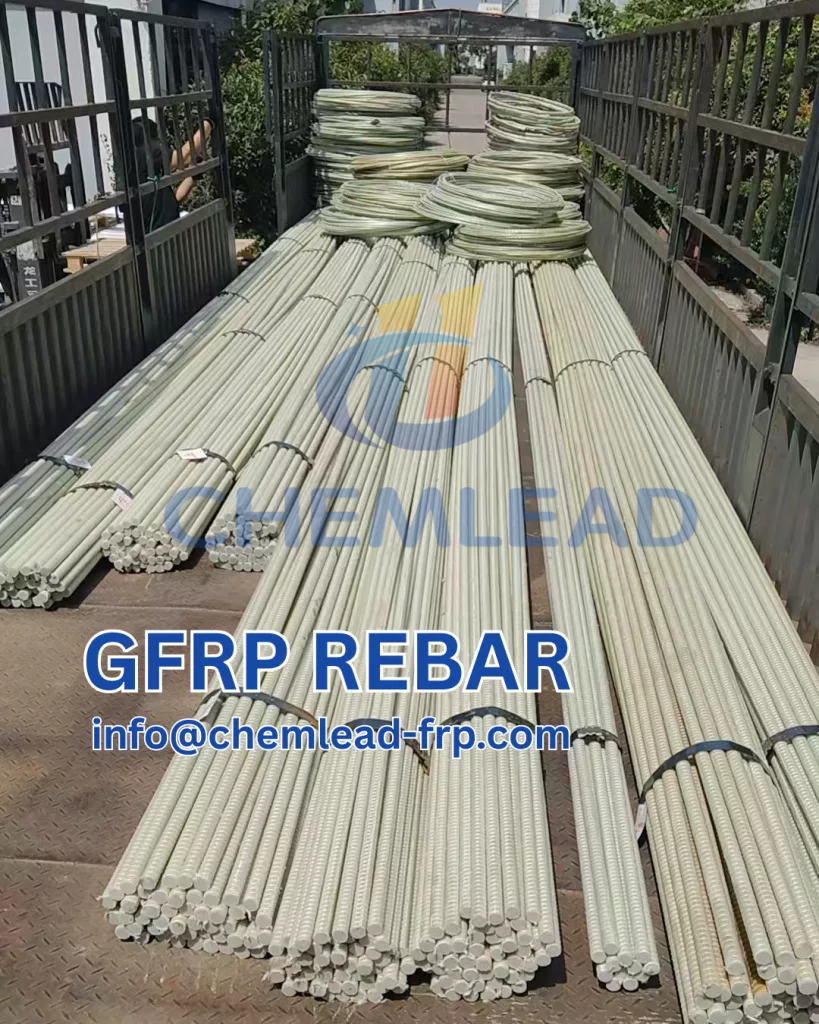
FRP (Fiber Reinforced Polymer) rebar, also known as GFRP rebar, is made from high-strength glass fibers embedded in a polymer resin. Unlike steel, it does not rust, corrode, or react chemically with its surroundings.
This makes FRP rebar an ideal alternative to steel in long-life infrastructure projects.
Key Advantages of FRP Rebar Over Steel
1. 100% Corrosion Resistant
FRP rebar is immune to:
Saltwater and coastal air
De-icing salts
Acids, alkalis, and industrial chemicals
This ensures long-term durability with minimal maintenance.
2. Up to 75% Lighter Than Steel
The lightweight nature of fiberglass rebar offers major advantages:
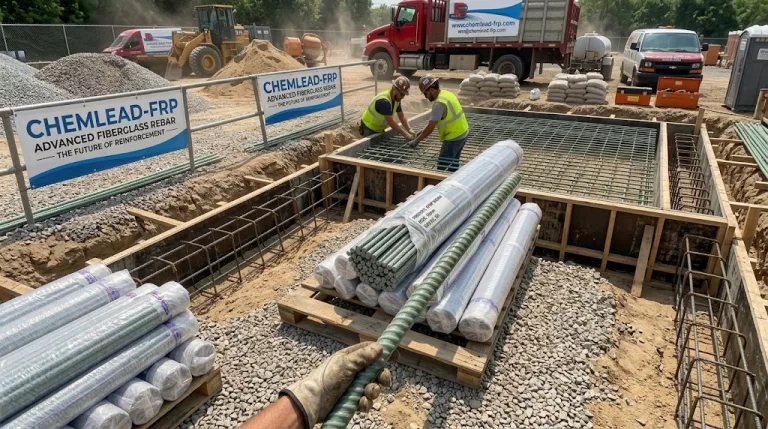
Easier handling and installation
Reduced labor costs
Lower transportation expenses
Faster construction schedules
3. Stronger Than Grade 60 Steel (by Tensile Strength)
FRP rebar delivers high tensile strength, often exceeding Grade 60 steel on a strength-to-weight basis, making it suitable for demanding structural applications.
4. Sustainable and Long-Life Reinforcement
Because FRP rebar does not corrode:
Structures last longer
Repairs and replacements are minimized
Lifecycle environmental impact is reduced
This makes FRP rebar a more sustainable choice for modern construction.
Ideal Applications for FRP Fiberglass Rebar
FRP rebar is widely used in environments where steel fails:
Marine and coastal structures
Bridges, tunnels, and highways
Industrial plants and chemical facilities
Foundations, slabs, and parking structures
Water treatment and wastewater facilities
Manufacturer-Direct Advantage: Better Pricing, Faster Customization
As a direct manufacturer of FRP fiberglass rebar, we eliminate the middleman. This means:
More competitive pricing
Stable and consistent quality
Fast lead times for custom orders
Wide size range available: 4–40 mm
Whether you need standard reinforcement or project-specific solutions, we support your design and construction requirements.
Build Smarter with FRP Fiberglass Rebar
Steel corrosion is costly, unavoidable, and outdated.
FRP fiberglass rebar delivers:
Zero corrosion
Lightweight installation
High tensile strength
Long service life
Lower total project cost
If your project demands durability, efficiency, and long-term value, FRP rebar is the smart choice.