+8613776545860

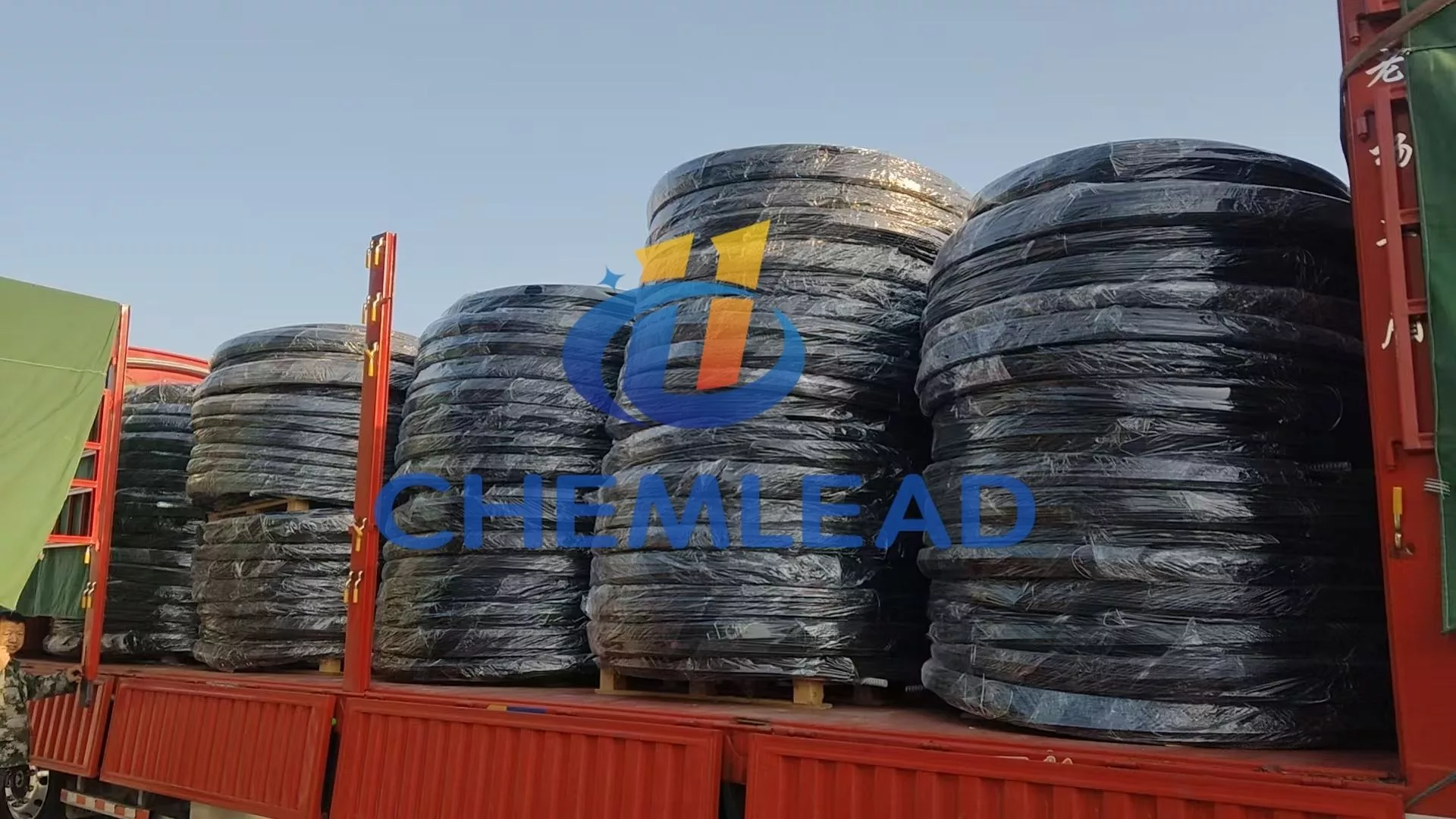

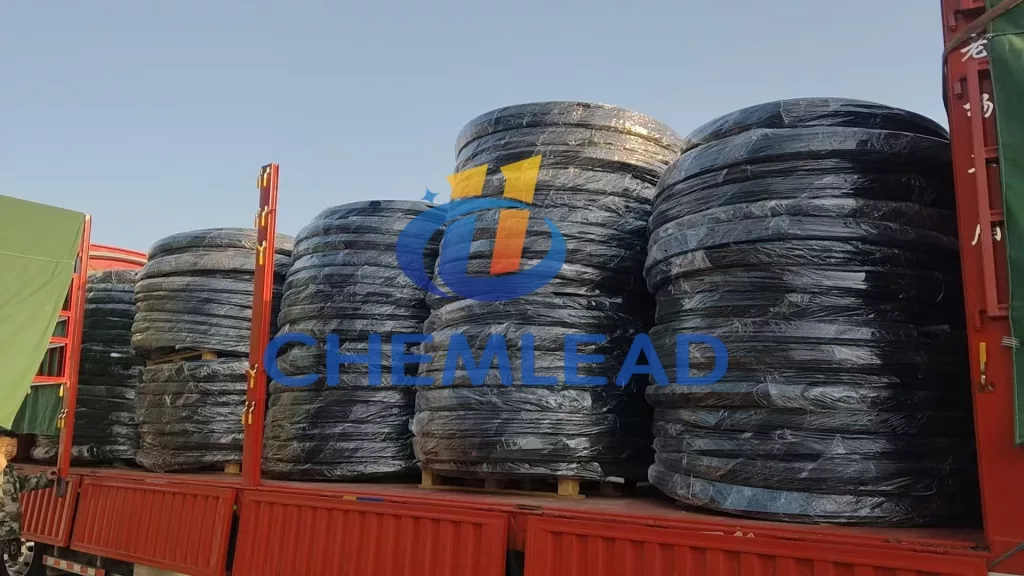
Coiled Fiberglass Rebar (FRP Rebar Coils): The Future of Fast, Corrosion-Free Reinforcement
As infrastructure projects grow larger and timelines become tighter, traditional steel rebar is increasingly becoming a bottleneck. Cutting, bending, transporting, and dealing with corrosion all add cost and complexity.
Coiled Fiberglass Rebar (FRP Rebar Coils) offers a smarter alternative — designed for faster installation, zero corrosion, and easier logistics, especially for roads, pavements, slabs, and foundations.
What Is Coiled Fiberglass Rebar?
Coiled fiberglass rebar, also known as GFRP rebar coils, is made from high-strength glass fibers embedded in a resin matrix and produced in continuous lengths. Instead of rigid straight bars, the rebar is supplied in compact coils, allowing it to be unrolled directly on site.
This form factor dramatically improves handling, transportation, and installation efficiency.
Key Advantages of FRP Rebar Coils
1. Up to 70% Lighter Than Steel Rebar
Fiberglass rebar weighs only a fraction of steel, which means:
-
Lower transportation costs
-
Easier manual handling
-
Reduced labor fatigue on site
One worker can move and position FRP rebar coils without cranes or forklifts.
2. 100% Corrosion Resistant
Unlike steel, FRP rebar will never rust.
This makes it ideal for:
-
Coastal and marine environments
-
Chemical plants and wastewater facilities
-
Roads exposed to de-icing salts
-
Foundations in aggressive soil conditions
No corrosion means longer service life and lower maintenance costs.
3. Faster Installation = Lower Labor Cost
With FRP rebar coils, installation becomes much simpler:
-
Uncoil directly on the ground
-
Tie in place
-
Pour concrete
There is no cutting, no bending, and no welding, which significantly reduces installation time compared to traditional steel reinforcement.
4. Easier Logistics and Storage
Coiled FRP rebar:
-
Takes up less space than straight bars
-
Reduces container and truck loading costs
-
Minimizes damage during transport
For large-scale infrastructure projects, logistics savings alone can be substantial.
Typical Applications of FRP Rebar Coils
Coiled fiberglass rebar is especially suitable for projects requiring long, continuous reinforcement:
-
Roadways and highways
-
Pavements and sidewalks
-
Industrial and commercial slabs
-
Foundations and ground beams
-
Parking structures and warehouses
These applications benefit most from fast installation and corrosion-free performance.
Mechanical Performance You Can Rely On
Despite being lightweight, GFRP rebar coils offer high tensile strength, often exceeding that of steel on a strength-to-weight basis. They are also:
-
Non-conductive
-
Non-magnetic
-
Thermally insulating
These properties make FRP rebar ideal for infrastructure near power facilities, railways, and sensitive equipment.
Why More Contractors Are Switching to FRP Rebar Coils
The construction industry is moving toward materials that:
-
Reduce total project cost
-
Improve durability
-
Speed up installation
-
Extend service life
Coiled fiberglass rebar meets all these requirements, making it a future-ready reinforcement solution.
Build Faster. Build Stronger. Build Corrosion-Free.
If you’re still cutting and bending steel rebar on site, it may be time to rethink your reinforcement strategy.
FRP Rebar Coils help you:
-
Save time
-
Reduce labor
-
Eliminate corrosion risks
-
Simplify logistics
📩 Contact us today for pricing, available coil sizes, and technical support.