+8613776545860

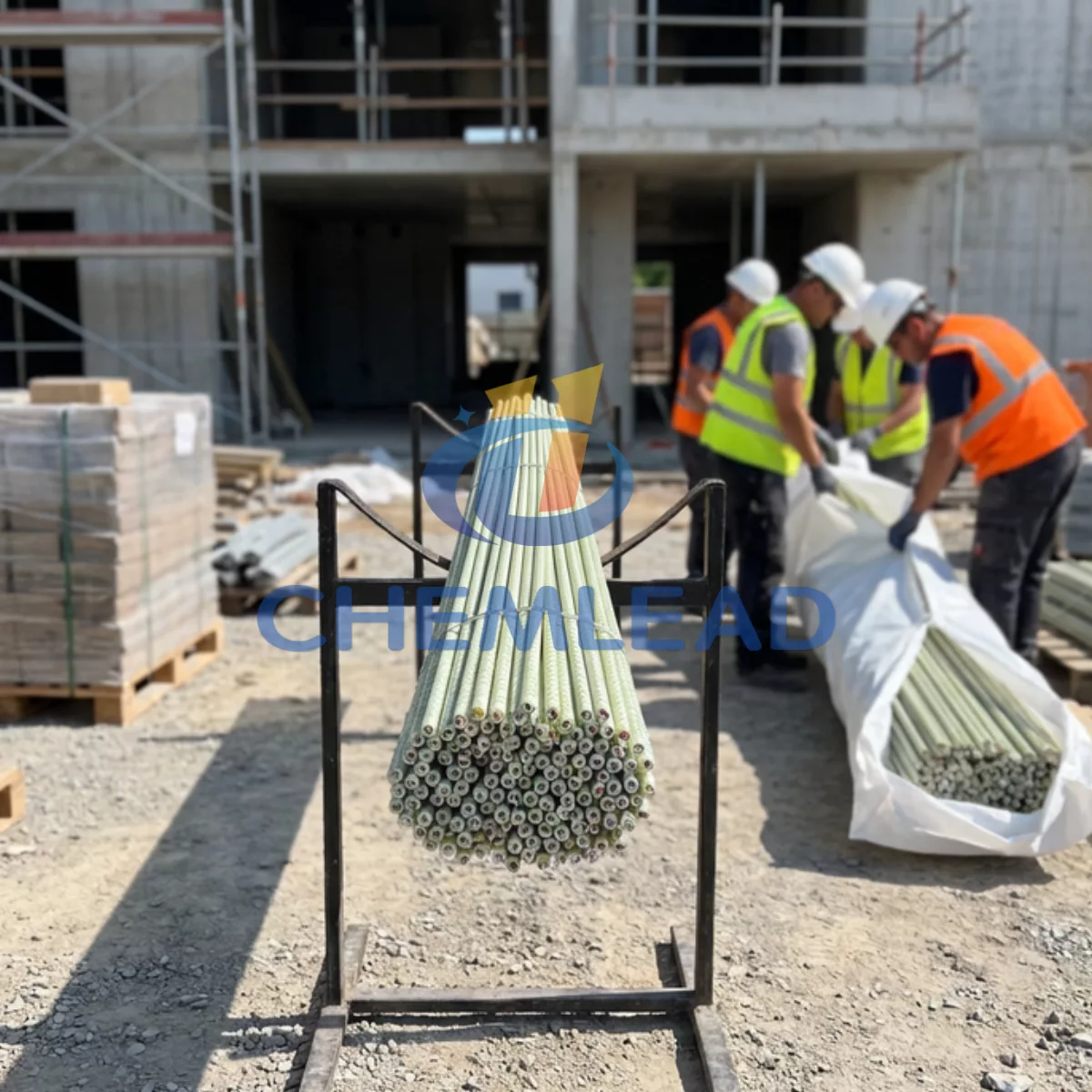

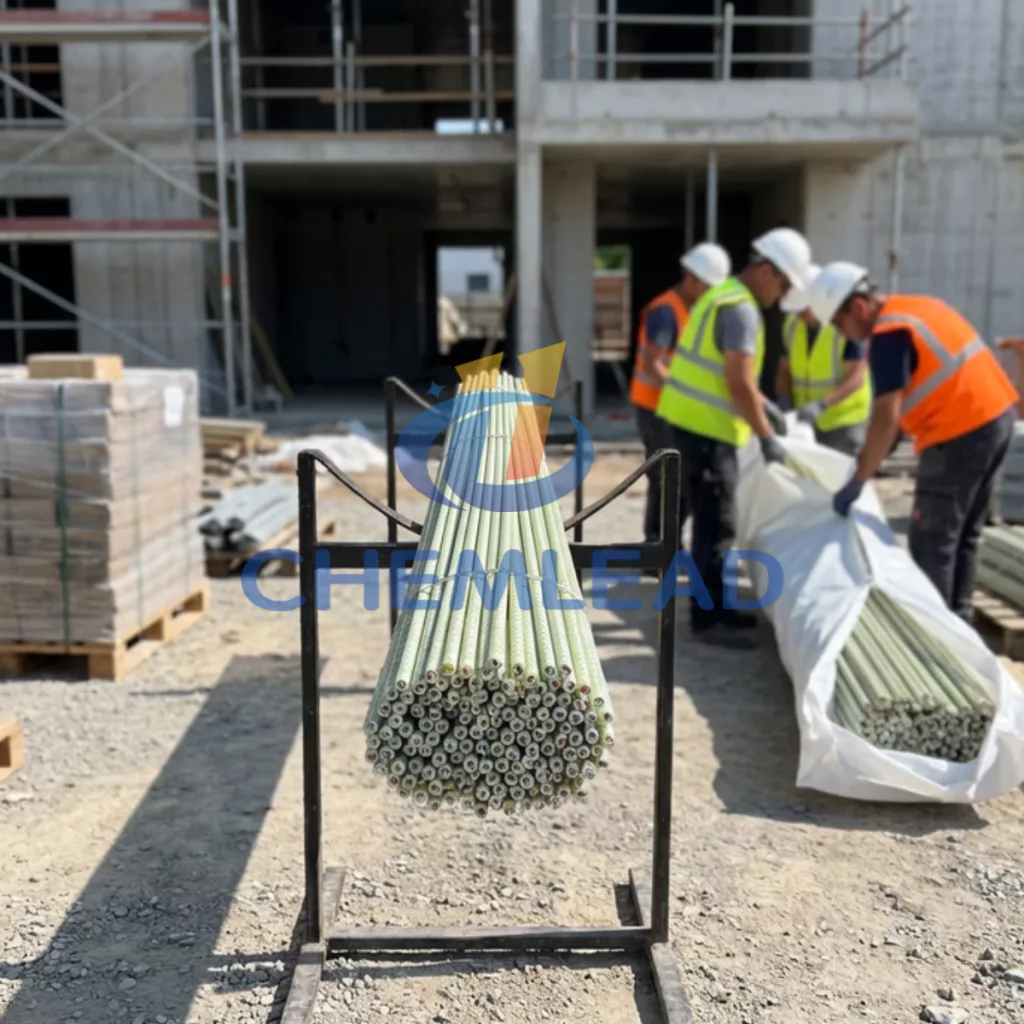
When it comes to reinforced concrete, durability is everything. While concrete itself can last for decades, traditional steel reinforcement often becomes the weak link—especially in harsh environments. That’s where Fiberglass Reinforced Polymer (FRP) rebar is changing the game.
In this guide, we’ll break down what FRP rebar is, how it compares to steel, and why it’s quickly becoming the preferred choice for modern construction projects.
What Is Fiberglass Rebar (FRP)?
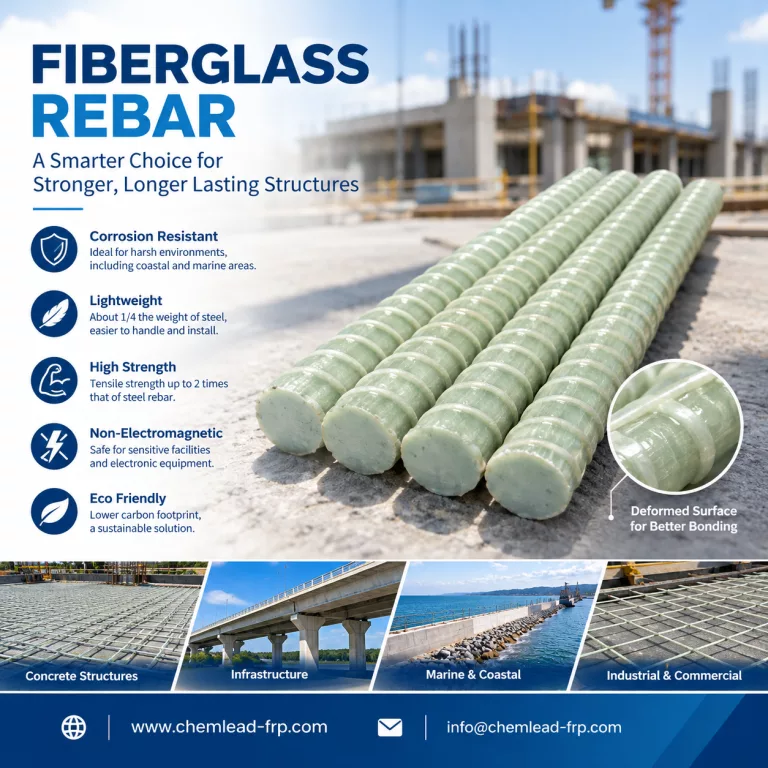
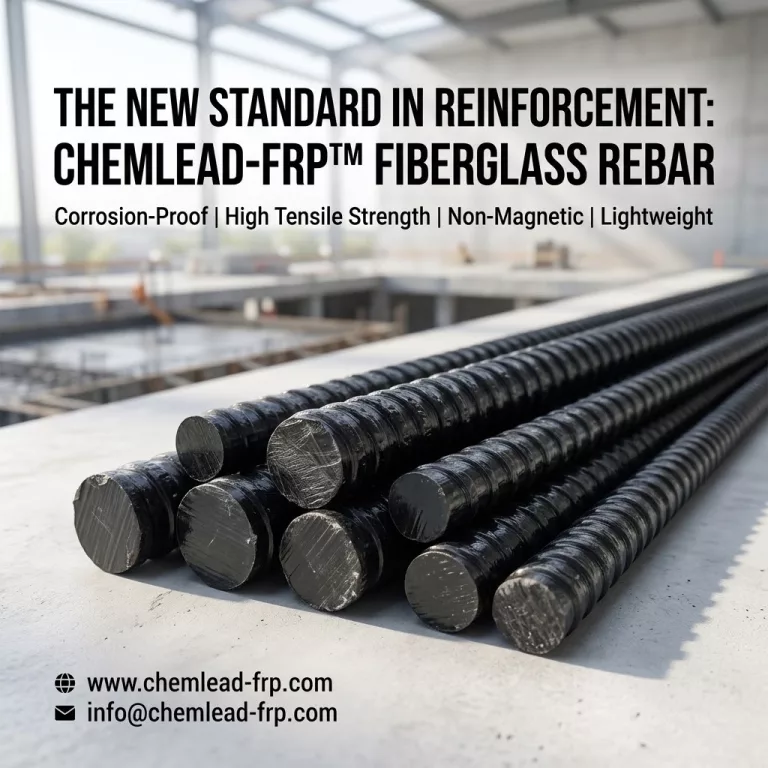
Fiberglass rebar, also known as FRP rebar, is a composite material made from high-strength glass fibers embedded in a polymer resin matrix. Unlike steel, it doesn’t rust, corrode, or conduct electricity—making it ideal for demanding environments.
Why Steel Reinforcement Falls Short
Steel has been the industry standard for decades, but it comes with serious limitations:
- Corrosion risk: Exposure to moisture, salt, and chemicals causes rust, leading to cracks and structural failure
- High maintenance costs: Repairs and replacements can be expensive over time
- Heavy weight: Increases transportation and installation costs
- Conductivity: Can interfere with sensitive electrical environments
These issues are especially problematic in coastal, marine, and industrial settings.
Key Benefits of Fiberglass Rebar
💪 1. Superior Strength-to-Weight Ratio
FRP rebar is significantly lighter than steel while offering comparable or even higher tensile strength. This makes handling, transport, and installation much easier and more cost-effective.
🌊 2. 100% Corrosion Resistance
Unlike steel, FRP rebar does not rust—even in saltwater or chemically aggressive environments. This dramatically extends the lifespan of concrete structures.
⚡ 3. Non-Conductive & Non-Magnetic
FRP rebar does not conduct electricity or interfere with electromagnetic fields, making it ideal for:
- Hospitals and MRI rooms
- Power plants and substations
- Data centers and telecom infrastructure
🔧 4. Low Maintenance
Because it doesn’t corrode, FRP rebar reduces the need for ongoing repairs, inspections, and maintenance—saving money over the lifecycle of a project.
🚚 5. Lightweight & Easy Installation
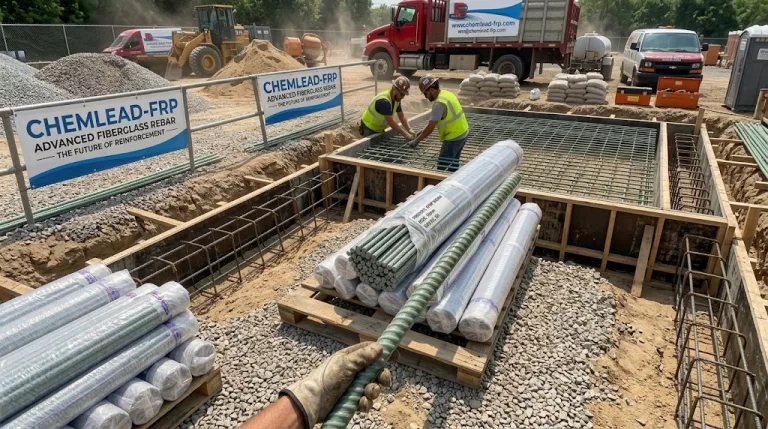
Up to 75% lighter than steel, FRP rebar lowers labor costs and speeds up construction timelines.
Best Applications for FRP Rebar
Fiberglass rebar is particularly well-suited for environments where steel struggles:
- Coastal and marine structures (piers, seawalls, docks)
- Bridges and highways exposed to de-icing salts
- Industrial facilities with chemical exposure
- Precast concrete elements
- Water treatment plants
- Underground infrastructure
FRP vs Steel Rebar: Quick Comparison
Feature | Steel Rebar | FRP Rebar |
|---|---|---|
Corrosion Resistance | ❌ Prone to rust | ✅ Corrosion-proof |
Weight | Heavy | Lightweight |
Strength | High | High (better ratio) |
Conductivity | Conductive | Non-conductive |
Maintenance | High | Low |
Lifespan | Moderate | Extended |
Is FRP Rebar Worth It?
While the upfront cost of FRP rebar can be higher than steel, the long-term savings from reduced maintenance, longer lifespan, and fewer repairs often make it the more economical choice.
For projects in harsh or high-risk environments, FRP isn’t just an alternative—it’s a strategic upgrade.
The Future of Reinforced Concrete
As infrastructure demands grow and sustainability becomes more important, materials that last longer and require less maintenance are gaining traction. Fiberglass rebar is at the forefront of this shift.
By choosing FRP, builders and engineers can create structures that are not only stronger—but smarter and more resilient.