+8613776545860

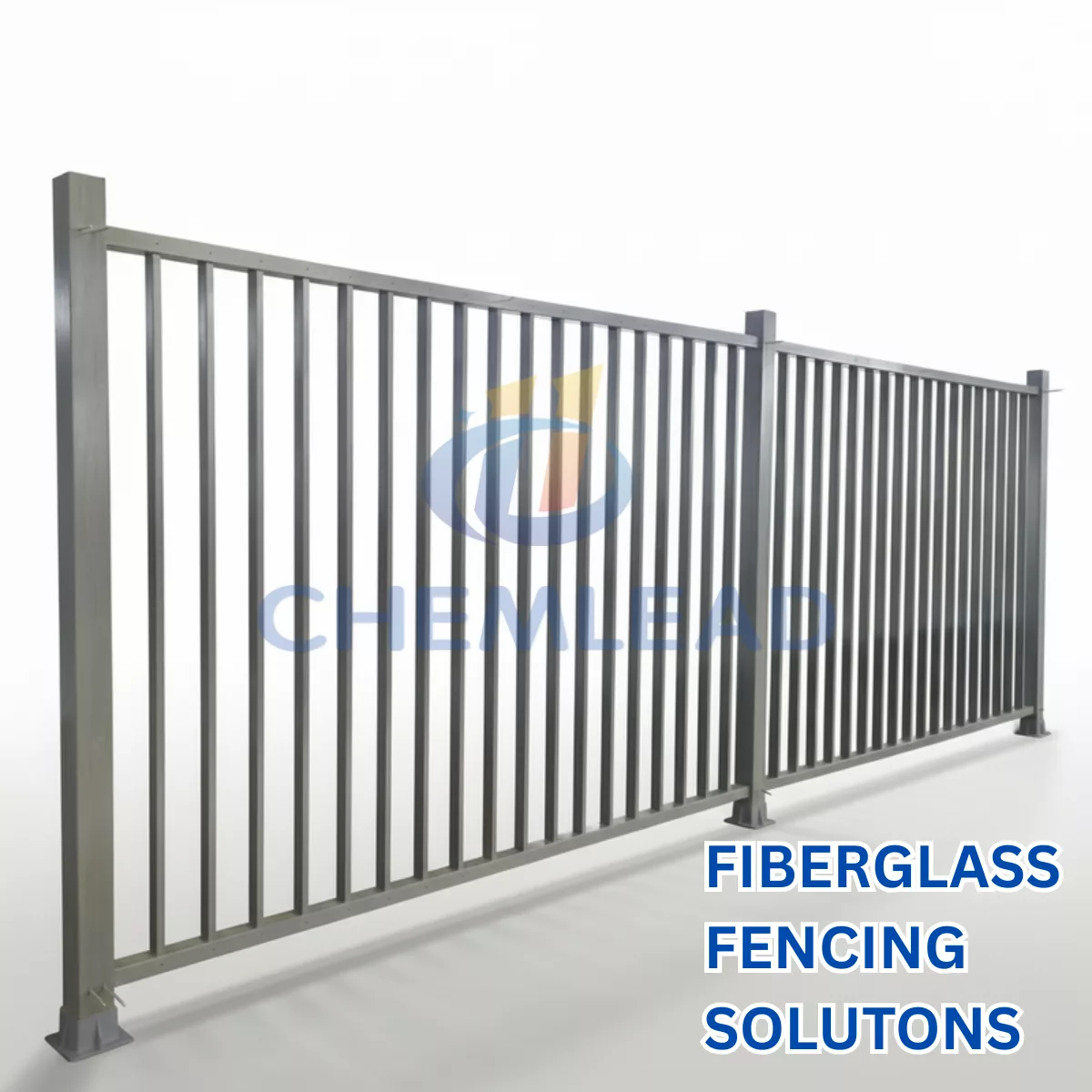

When choosing fencing materials for industrial, agricultural, or infrastructure projects, durability and maintenance costs are critical factors. Traditional materials like steel and wood have been widely used for decades—but they come with ongoing challenges such as rust, rot, and frequent repairs.
That’s why more engineers, contractors, and project owners are turning to Fiberglass Reinforced Polymer (FRP) fencing as a smarter, long-lasting alternative.
What Is FRP Fencing?
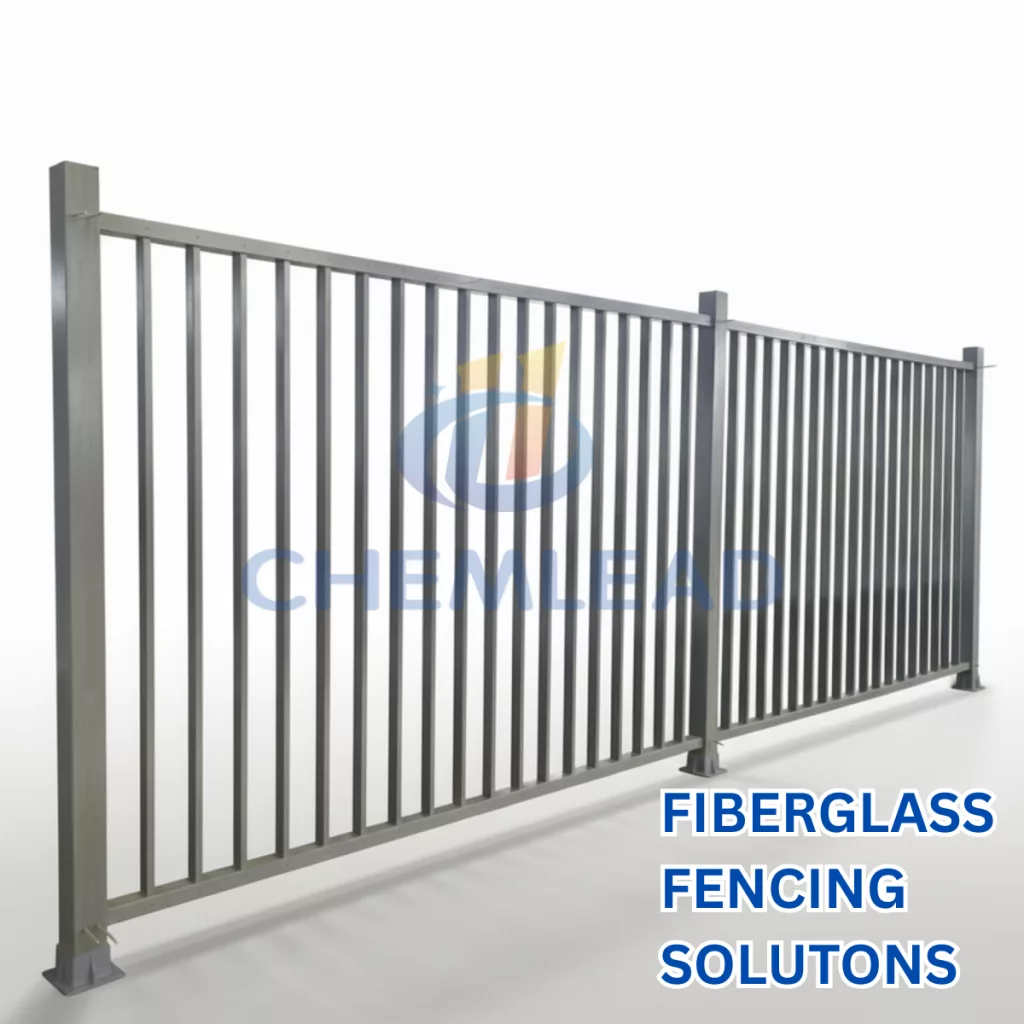
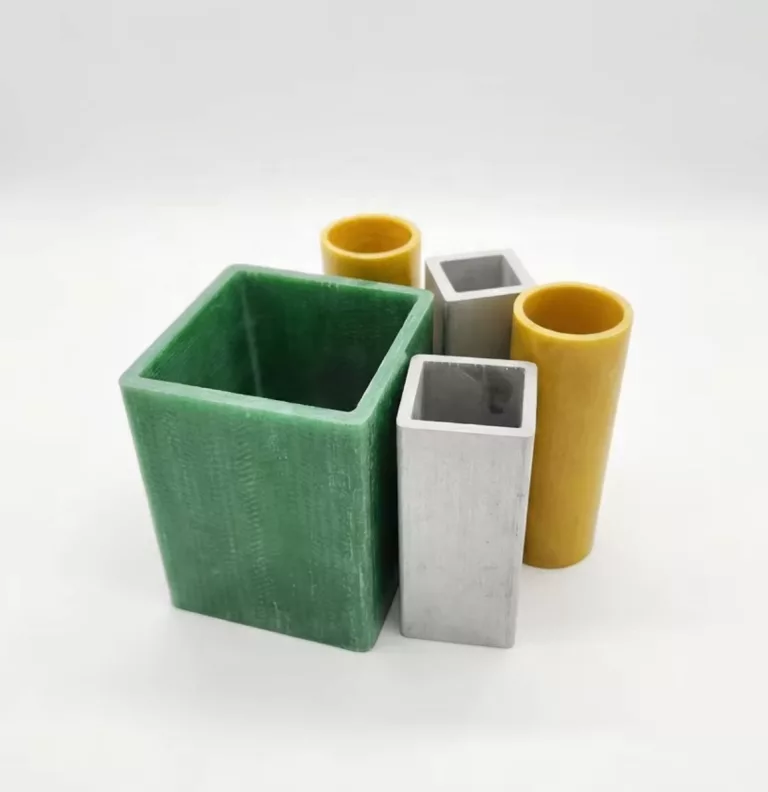
FRP (Fiberglass Reinforced Polymer) fencing is made from high-strength glass fibers combined with a durable resin system. This advanced composite material is designed to perform in harsh environments where traditional materials often fail.
Unlike steel or wood, FRP fencing offers a unique combination of strength, corrosion resistance, and low maintenance, making it ideal for long-term outdoor use.
The Problems with Steel and Wood Fencing
Before exploring the benefits of FRP, it’s important to understand the limitations of conventional fencing materials.
Steel Fencing
Prone to rust and corrosion, especially in coastal or humid environments
Requires painting, coating, or galvanizing
High maintenance over time
Wood Fencing
Susceptible to rot, insects, and moisture damage
Requires regular sealing or treatment
Shorter service life in harsh conditions
These issues can lead to increased maintenance costs and reduced reliability over time.
Why Choose FRP Fencing?
1. No Rust, No Rot
FRP fencing is inherently resistant to:
Corrosion
Moisture
Chemicals
It will not rust like steel or rot like wood, even in extreme environments.
2. Minimal Maintenance
One of the biggest advantages of FRP fencing is its low maintenance requirement. There is no need for:
Painting
Anti-corrosion treatments
Frequent repairs
This significantly reduces long-term operating costs.
3. Long Service Life
FRP materials are engineered for durability. They maintain their structural integrity and appearance for many years, even in:
Coastal areas with salt exposure
Industrial zones with chemical exposure
High-humidity or outdoor environments
4. Lightweight and Easy Installation
Compared to steel, FRP fencing is much lighter, which means:
Easier handling and transportation
Faster installation
Lower labor costs
5. Non-Conductive and Safe
FRP is non-conductive, making it a safer choice for:
Electrical facilities
Substations
Infrastructure projects
Applications of FRP Fencing
FRP fencing is widely used across different industries, including:
Industrial plants
Wastewater treatment facilities
Coastal and marine environments
Farms and agricultural projects
Solar farms and infrastructure sites
Its versatility makes it suitable for both functional and protective fencing solutions.
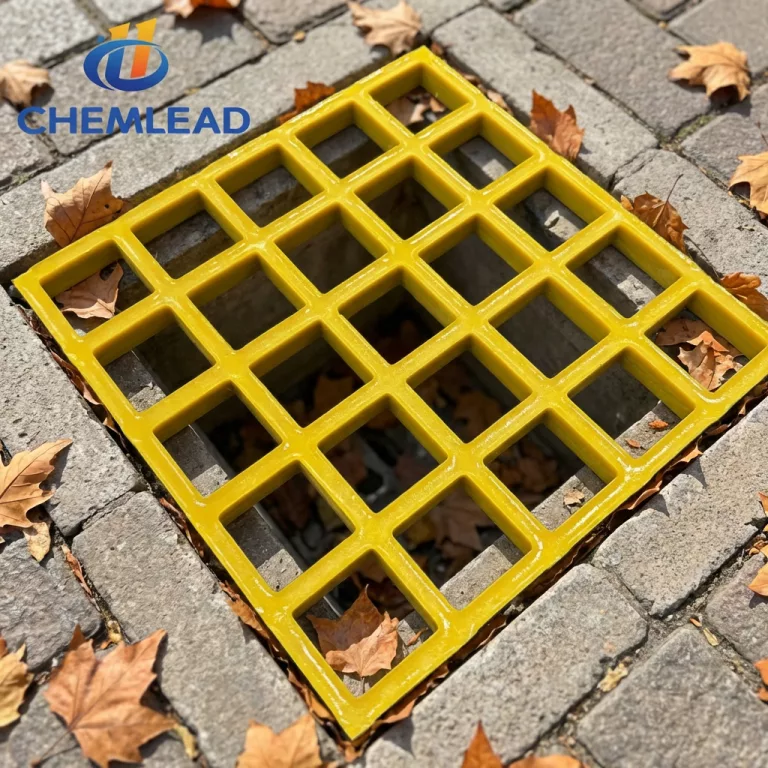
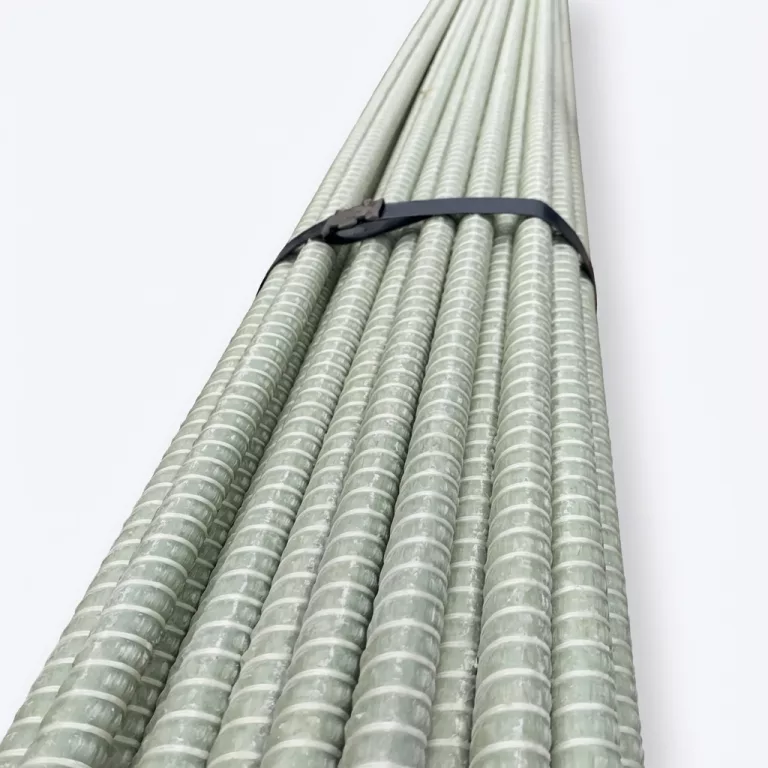
Chemlead specialize in high-quality FRP products designed for demanding environments. Our FRP fencing solutions offer:
Excellent corrosion resistance
Customizable designs and sizes
Consistent product quality
Reliable long-term performance
We help our clients reduce maintenance costs while improving the durability and safety of their fencing systems.
 Get Free Quote Now! Don’t Hesitate!