+8613776545860


Build Smarter. Build to Last.
Traditional steel rebar has long been used in concrete construction, but corrosion, weight, and maintenance challenges continue to shorten the lifespan of many structures. Fiberglass rebar (FRP rebar) offers a modern alternative designed for durability, efficiency, and long-term performance.
With high tensile strength and excellent corrosion resistance, FRP rebar is increasingly used in infrastructure, marine, and commercial construction projects worldwide.
What Is Fiberglass Rebar (FRP Rebar)?
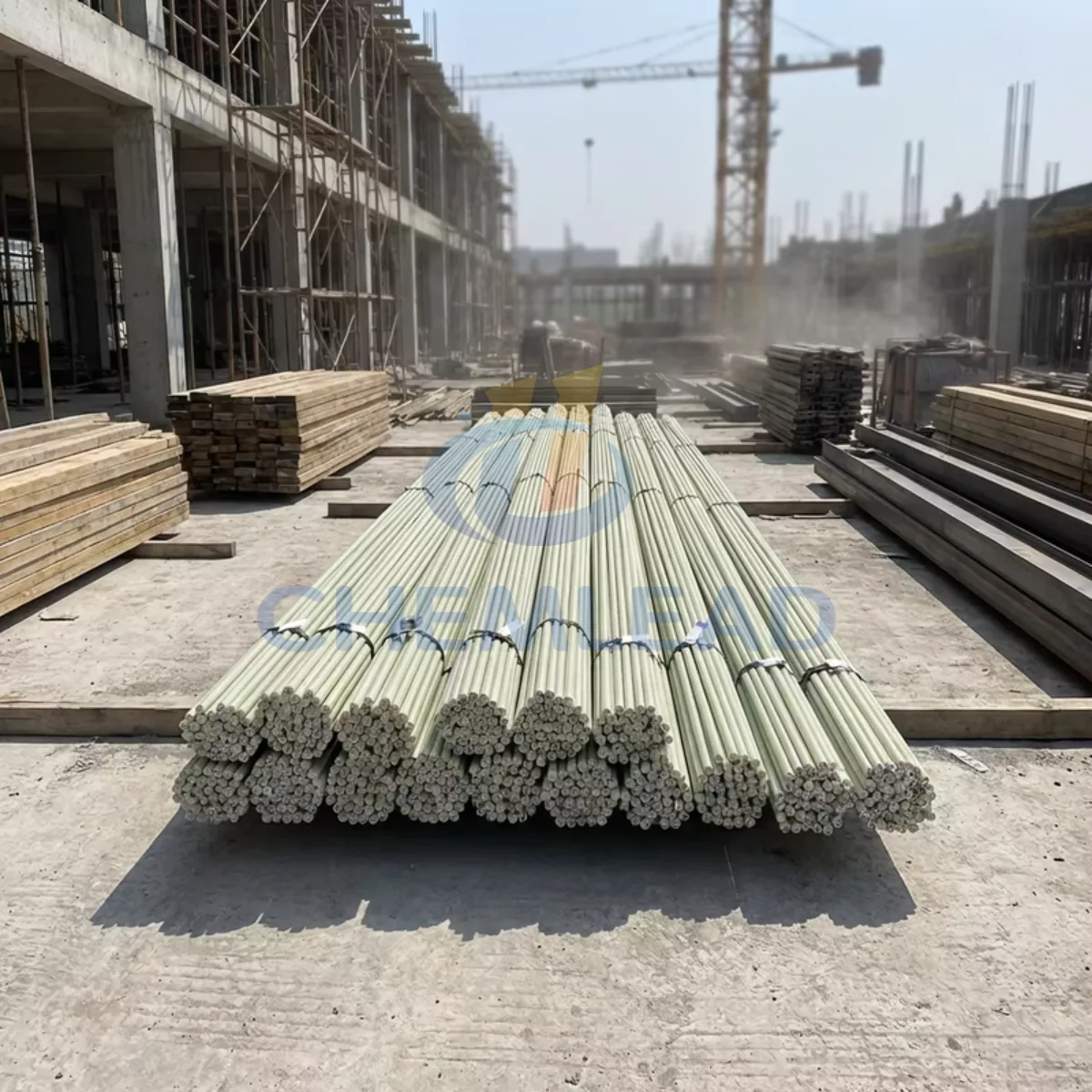
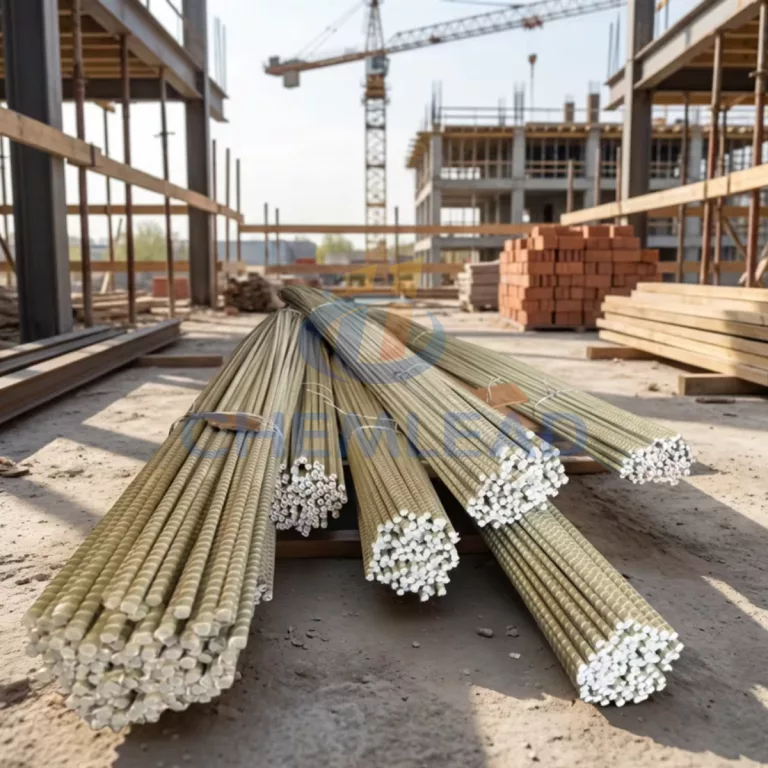
Fiberglass rebar, also known as FRP rebar or GFRP rebar, is made from high-strength glass fibers embedded in a polymer resin matrix. Unlike steel, it does not rust or corrode, making it ideal for aggressive environments.
FRP rebar is engineered specifically for concrete reinforcement where durability and low maintenance are critical.
Key Advantages of Fiberglass Rebar
1. High Tensile Strength
Fiberglass rebar offers high tensile strength, often exceeding that of steel rebar of similar size. This makes it highly effective for reinforcing concrete structures subject to tensile loads.
2. Corrosion-Free and Rust-Proof
One of the biggest advantages of FRP rebar is its non-corrosive nature. It is resistant to:
Moisture and humidity
Chlorides and de-icing salts
Chemicals and alkaline concrete environments
This significantly extends the service life of reinforced concrete structures.
3. Lightweight and Easy to Handle
FRP rebar is much lighter than steel, which results in:
Easier transportation and handling
Faster installation on site
Reduced labor costs and installation time
Lightweight reinforcement is especially beneficial for large infrastructure projects.
4. Ideal for Harsh and Specialized Applications
Fiberglass rebar is widely used in:
Concrete foundations and slabs
Marine and coastal structures
Bridges and highways
Tunnels and retaining walls
Industrial and infrastructure projects
Its corrosion resistance makes it especially suitable for environments where steel rebar fails prematurely.
Long-Term Cost and Performance Benefits
Although the initial material cost of fiberglass rebar may be higher than steel, the total life-cycle cost is significantly lower. Reduced maintenance, longer service life, and fewer repairs result in substantial long-term savings.
FRP rebar also improves sustainability by extending the lifespan of concrete structures and reducing material replacement.


 Get Free Quote Now! Don’t Hesitate!