+8613776545860

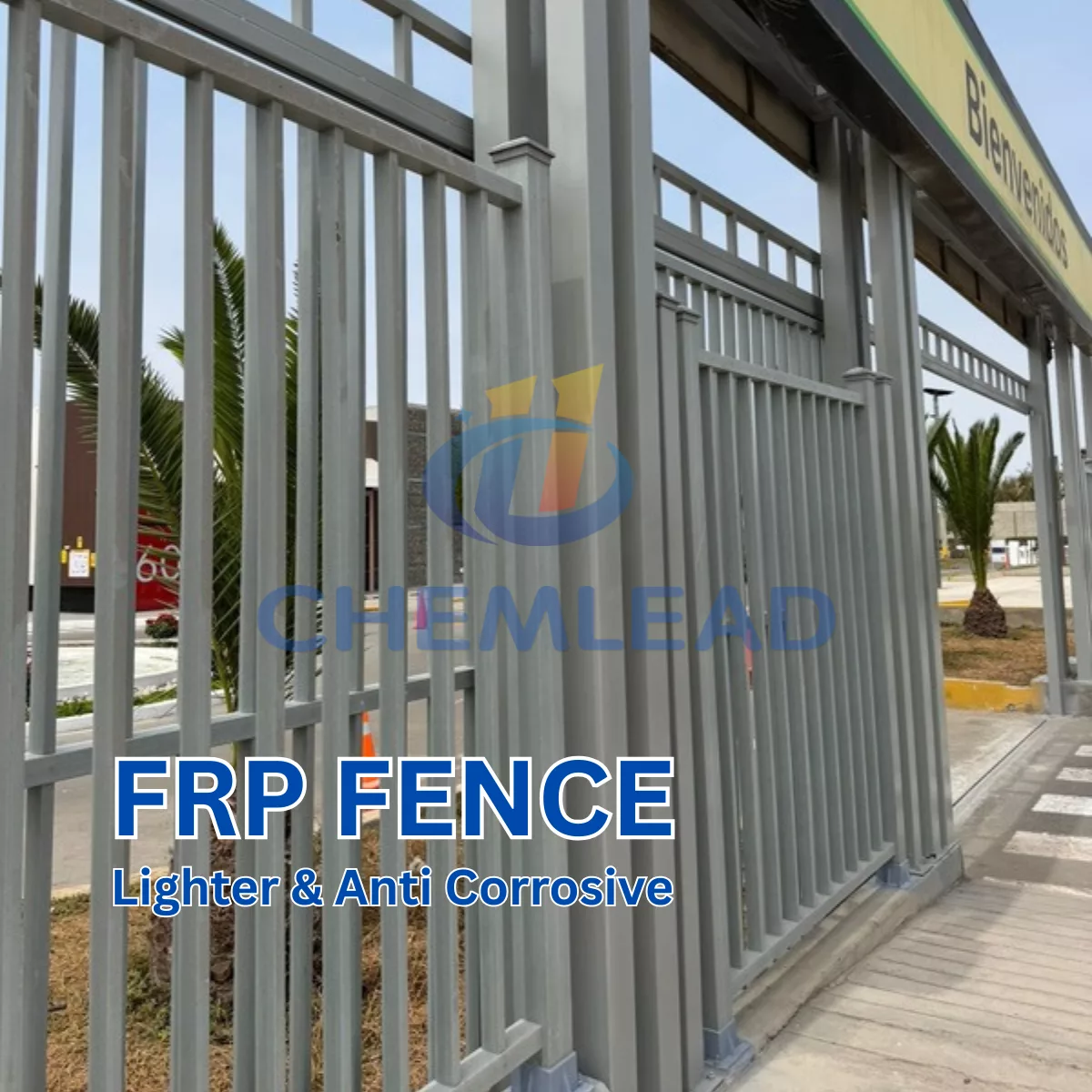

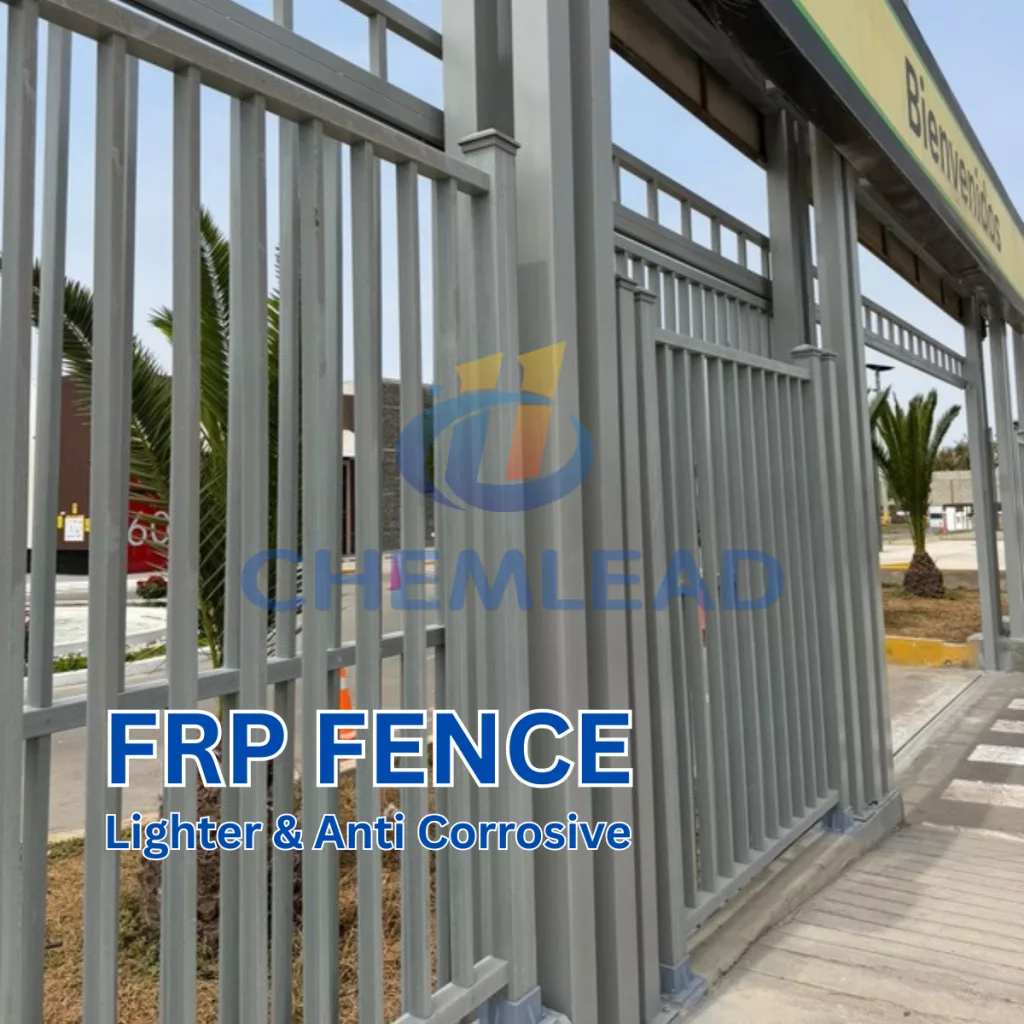
Fencing systems play a critical role in security, safety, and site management across agricultural, industrial, and infrastructure projects. Traditional materials such as steel and wood often face long-term challenges including corrosion, rot, and high maintenance costs. Fiberglass Fence Systems (FRP Fences) offer a modern alternative designed for durability, efficiency, and long service life in demanding outdoor environments.
What Is a Fiberglass Fence?
A fiberglass fence is manufactured from Fiber Reinforced Polymer (FRP) using pultrusion or molding processes. This advanced composite material combines high-strength glass fibers with corrosion-resistant resins, creating a fencing solution that performs reliably where traditional materials fail.
Key Advantages of Fiberglass Fencing
1. Excellent Corrosion Resistance
Fiberglass fences are 100% corrosion resistant, making them ideal for coastal areas, farms, chemical plants, wastewater facilities, and high-humidity environments. Unlike steel, FRP does not rust, and unlike wood, it does not rot or absorb moisture.
2. Lightweight Yet High Strength
FRP fencing offers a high strength-to-weight ratio, allowing for easy transportation, fast installation, and reduced labor costs without compromising structural performance.
3. Low Maintenance and Long Service Life
Fiberglass fences require minimal maintenance. No painting, galvanizing, or chemical treatment is needed, resulting in lower lifecycle costs and reliable performance over decades.
4. Electrically Non-Conductive and Safe
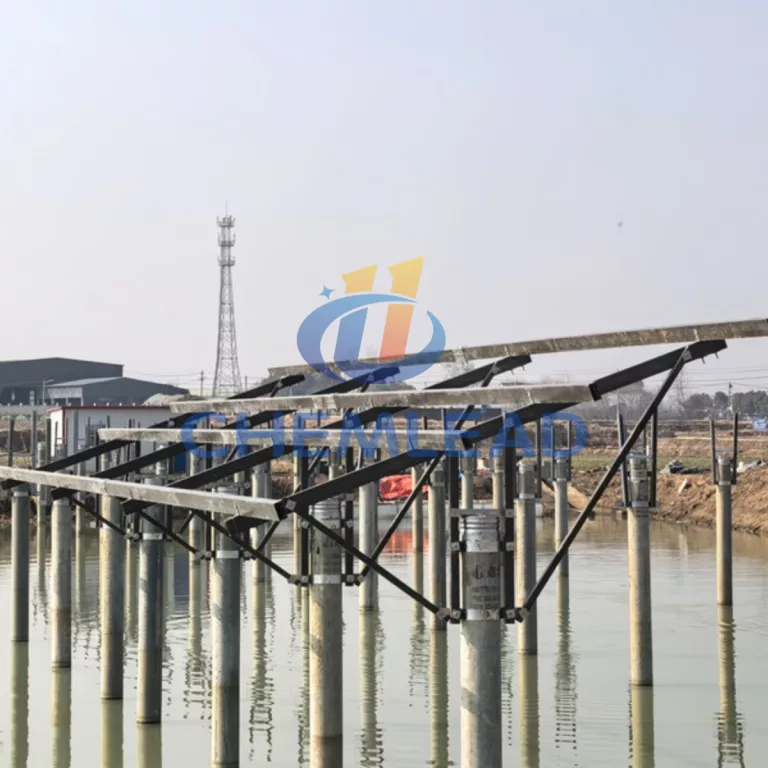
Because FRP is electrically non-conductive and non-magnetic, fiberglass fencing is a safe choice for power facilities, substations, solar plants, and industrial sites.
5. Weather and UV Resistance
Designed for long-term outdoor use, fiberglass fences withstand UV exposure, temperature fluctuations, moisture, and harsh weather conditions without degradation.
Applications of Fiberglass Fence Systems
Fiberglass fencing is widely used in:
-
Agricultural and farm fencing
-
Industrial and chemical facilities
-
Solar power plants and substations
-
Coastal and marine environments
-
Infrastructure and utility projects
-
Parks and outdoor public areas
Customizable Designs for Different Projects
Fiberglass fence systems can be customized in size, profile, color, and surface finish to meet specific project requirements. Posts, rails, panels, and gates can be engineered for both functional and aesthetic needs.
Why Choose Fiberglass Over Steel or Wood?
Compared with traditional fencing materials, fiberglass offers clear advantages:
-
No corrosion or rot
-
Lower installation and maintenance costs
-
Longer service life
-
Improved safety and environmental performance
These benefits make fiberglass fencing a cost-effective and sustainable solution for modern fencing applications.
Building Smarter, Longer-Lasting Fences
As project owners and engineers seek materials that deliver long-term value, fiberglass fence systems continue to gain popularity across industries. Strong, lightweight, and maintenance-free, FRP fences are built to perform in environments where steel and wood struggle.
Upgrade your fencing solution with fiberglass — durable, reliable, and designed for the future.
 Get Free Quote Now! Don’t Hesitate!